


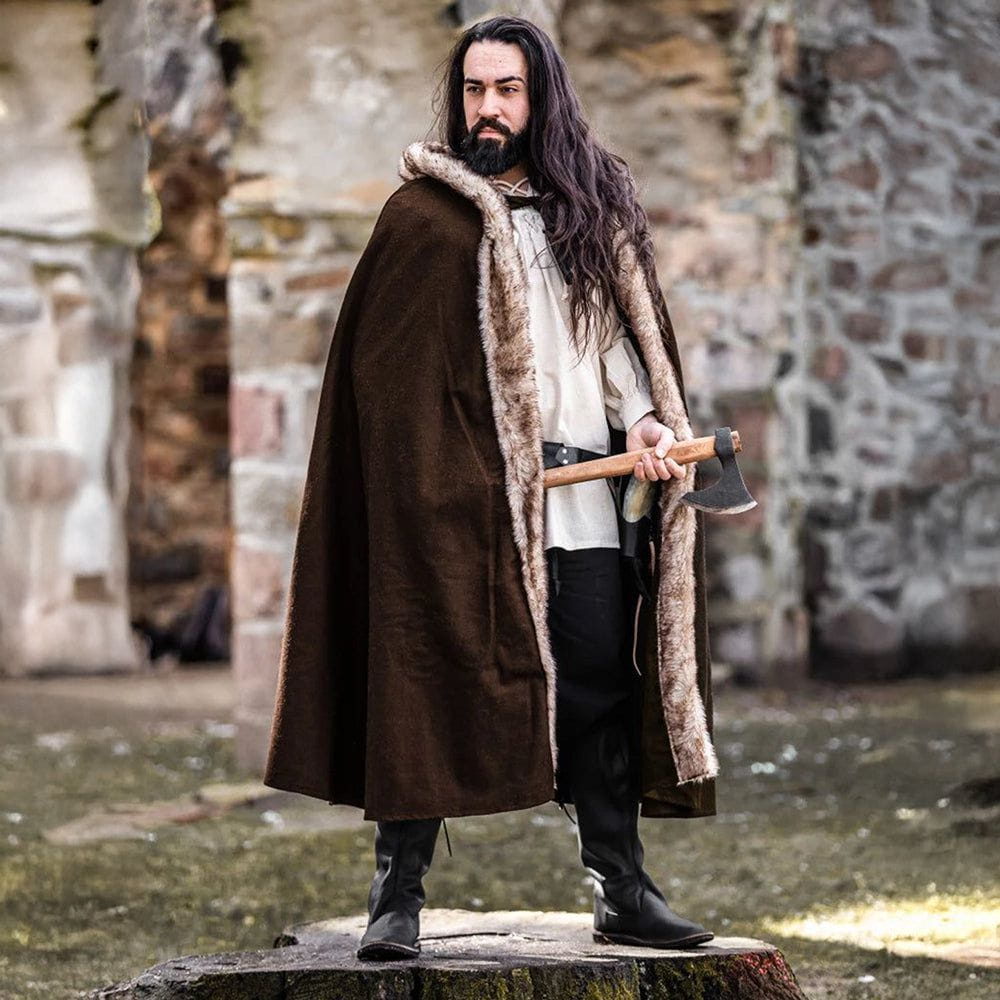
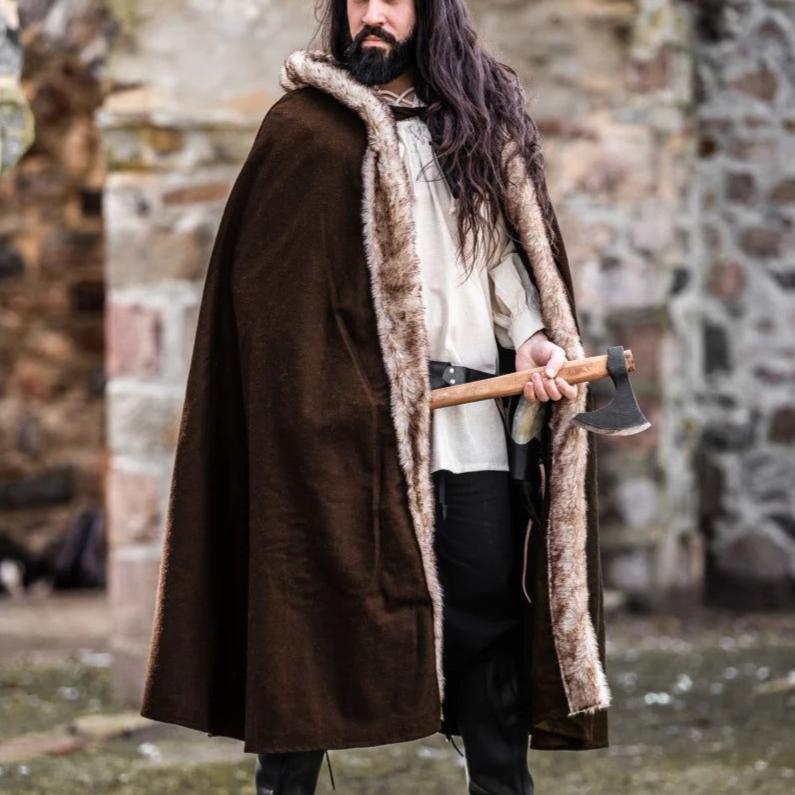
Wilderness Clothing Built for Movement
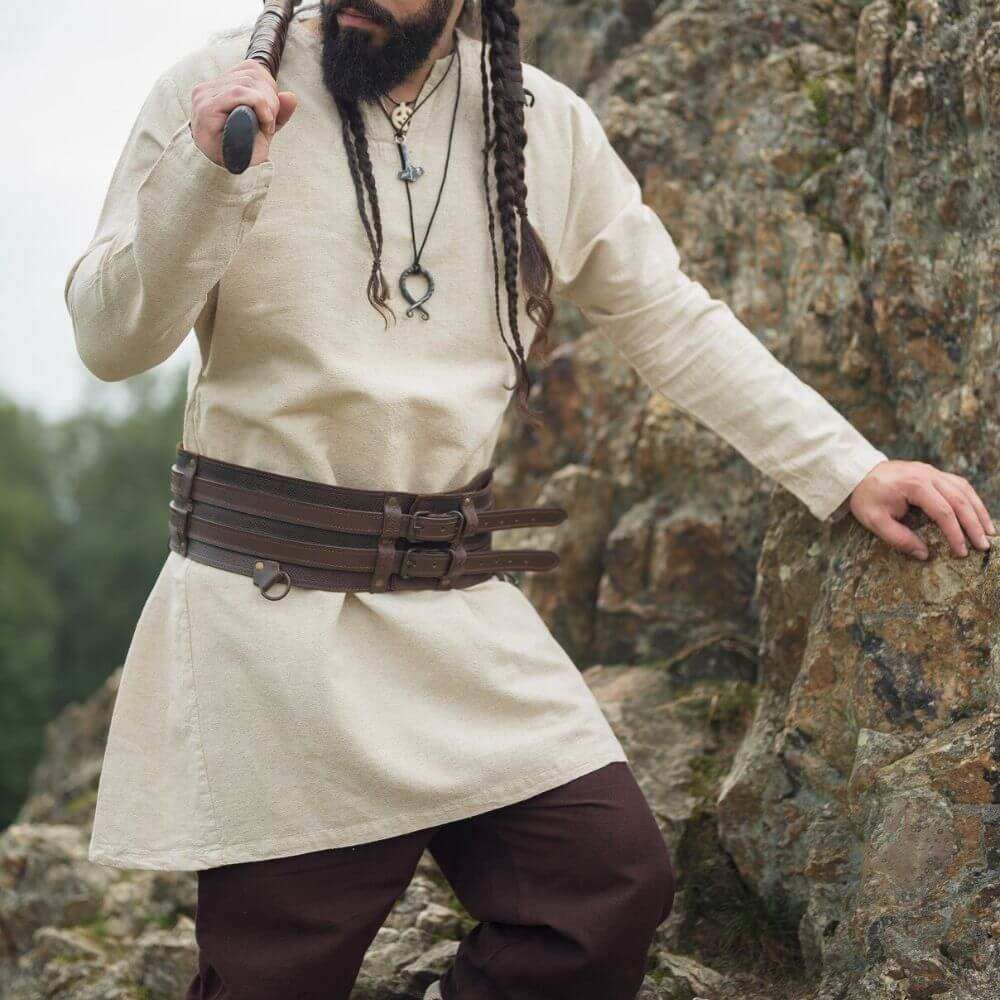
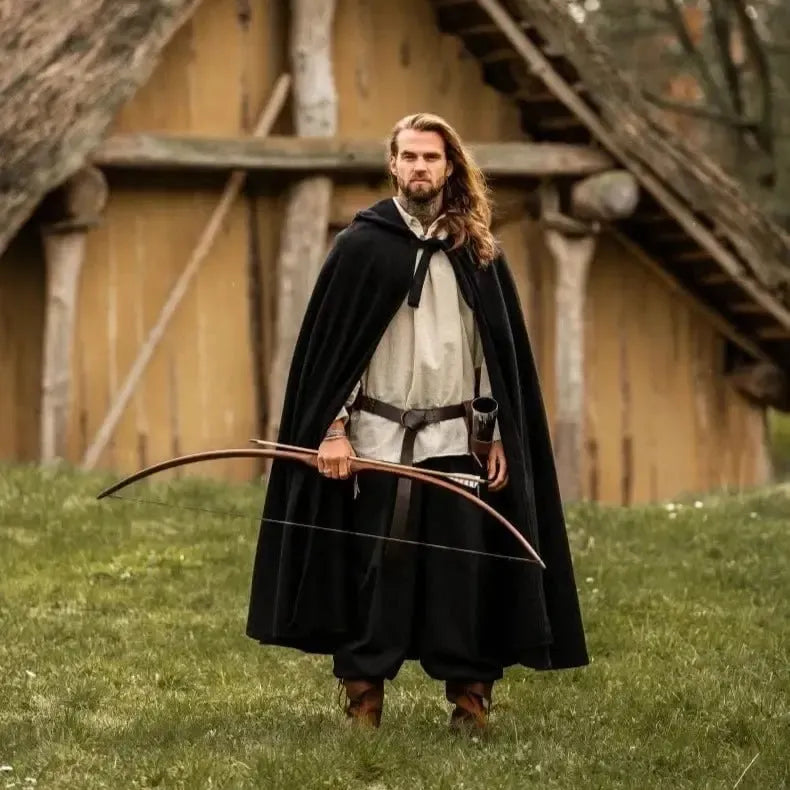
Rangers and druids wear practical clothing built for the outdoors. Our wilderness collection prioritizes movement and durability. Reinforced seams where they matter most. Leather trim at stress points. Earth colors that blend with forest and field. These are work clothes for fantasy characters who work outdoors.
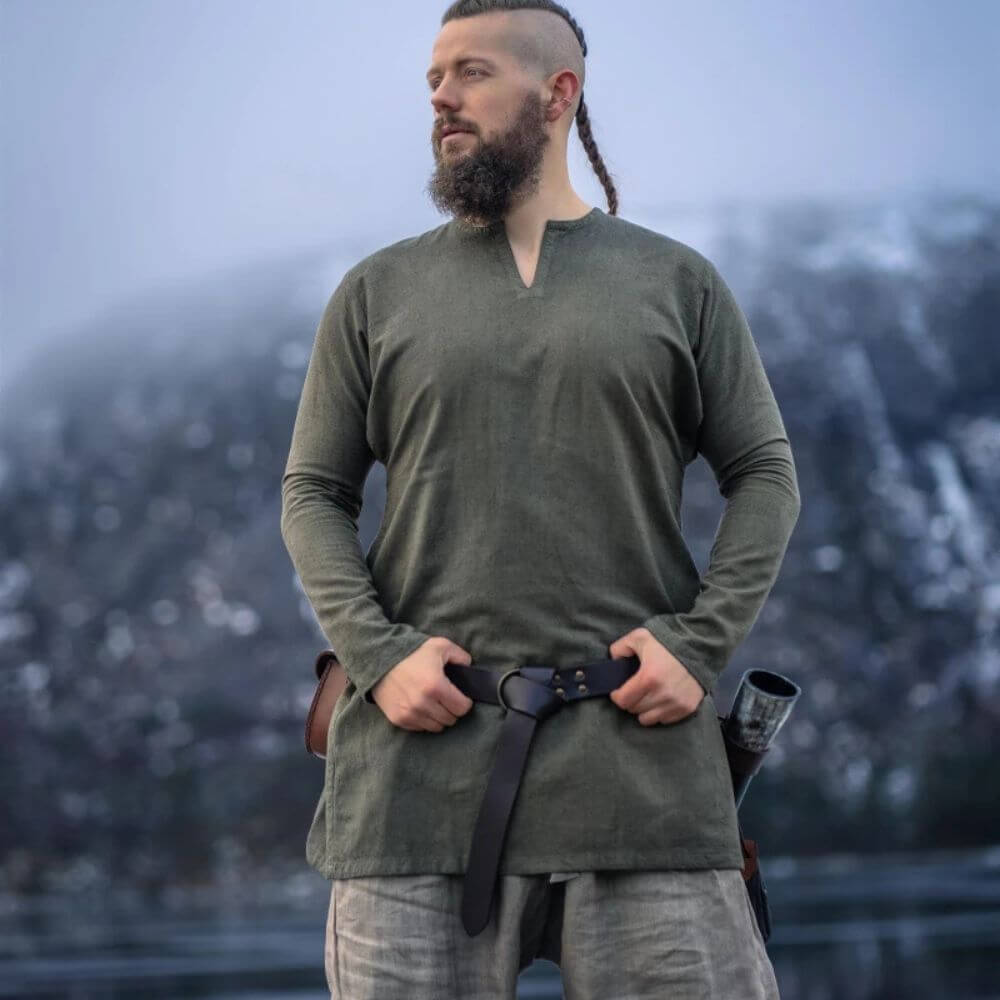
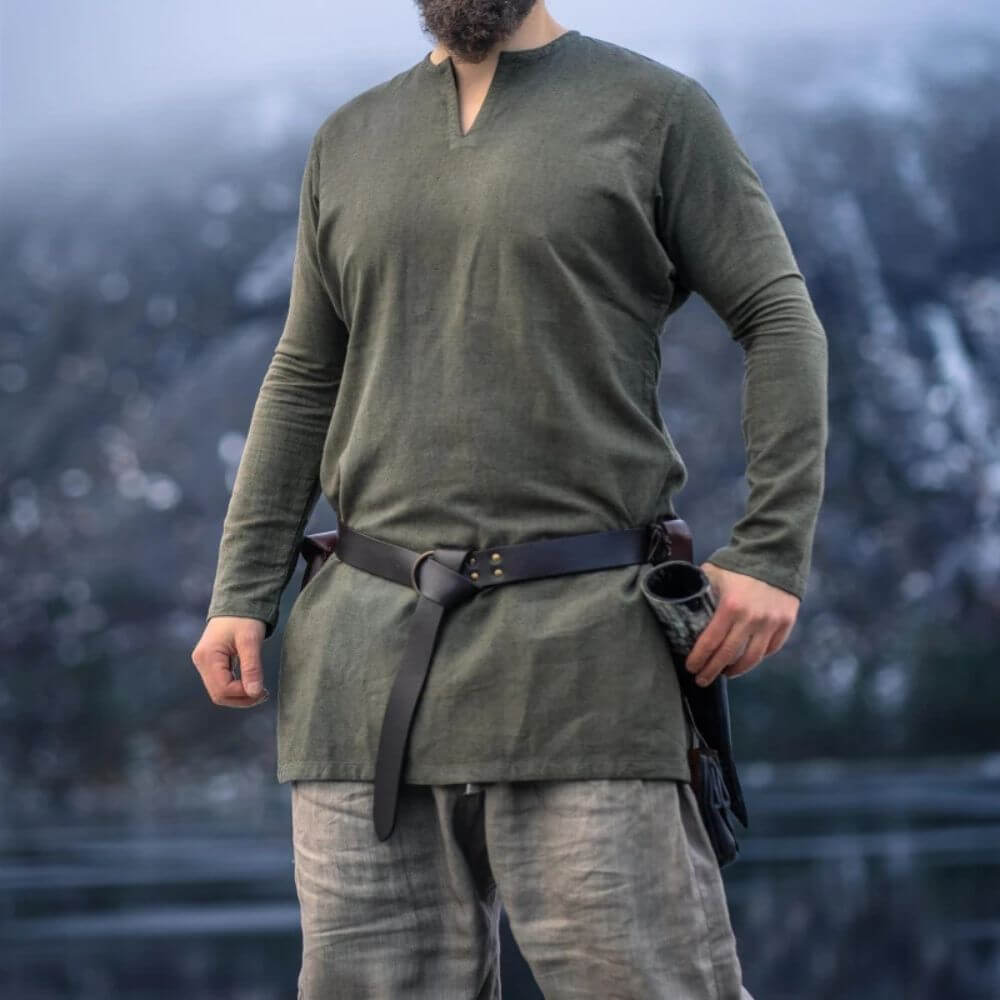
Natural dyes created these earth tones. Brown from walnut hulls. Green from various plants. Tan from undyed linen or light wool. Medieval people living outdoors wore these colors because they made sense. Practical folk used what nature provided. Bright dyes cost money that peasants, foresters, and wanderers didn't have.
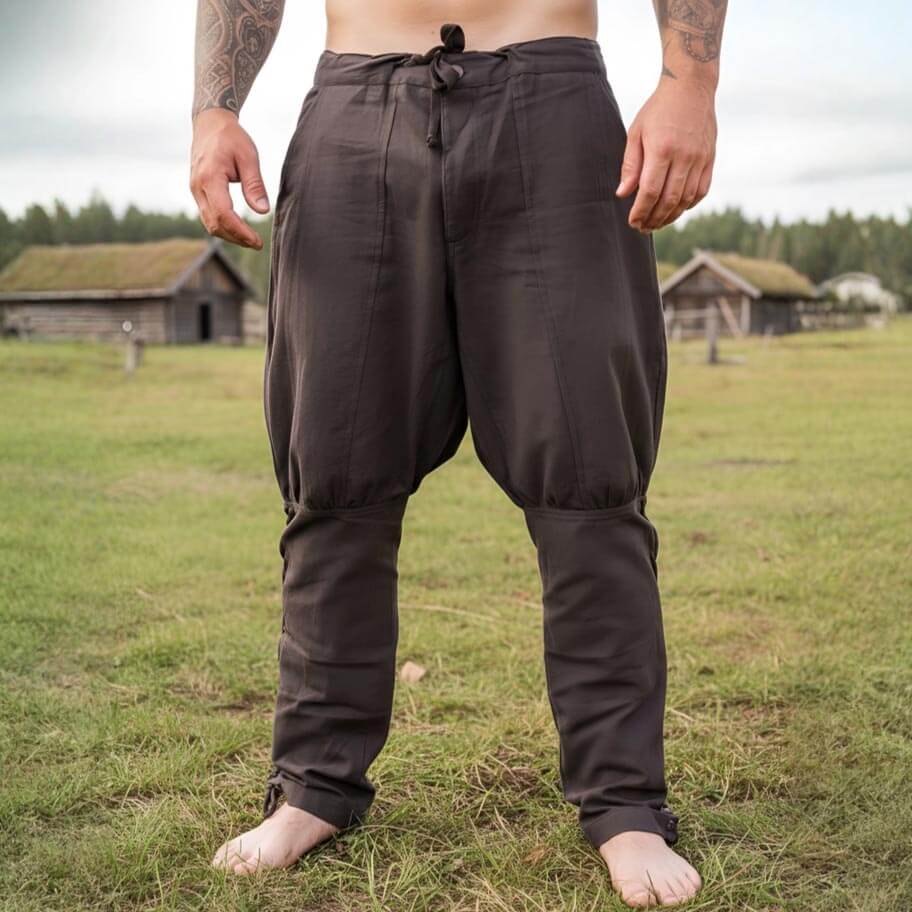
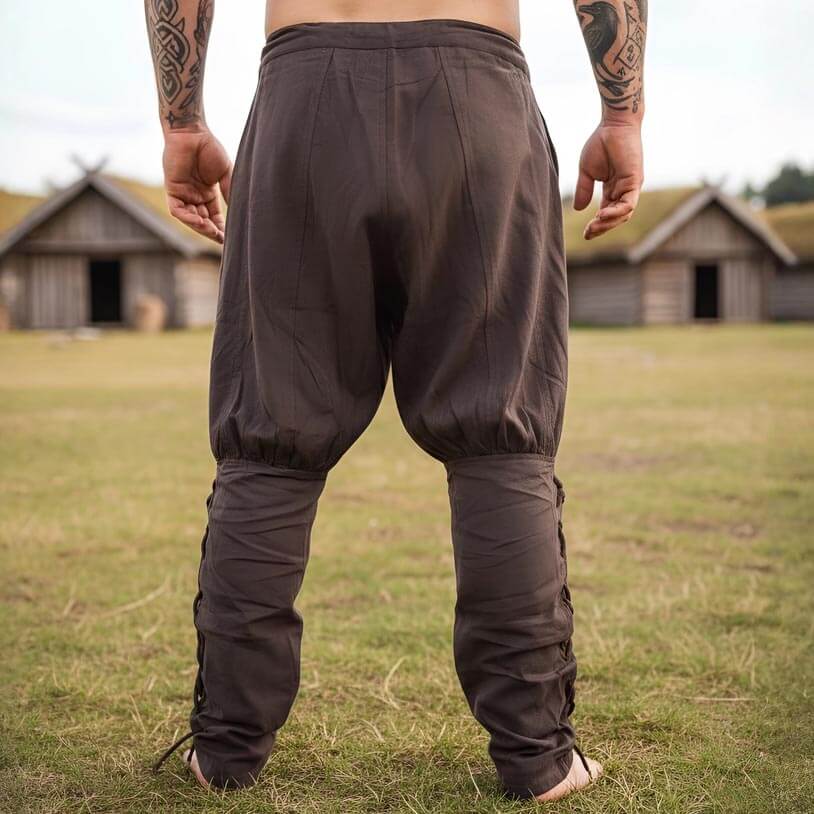
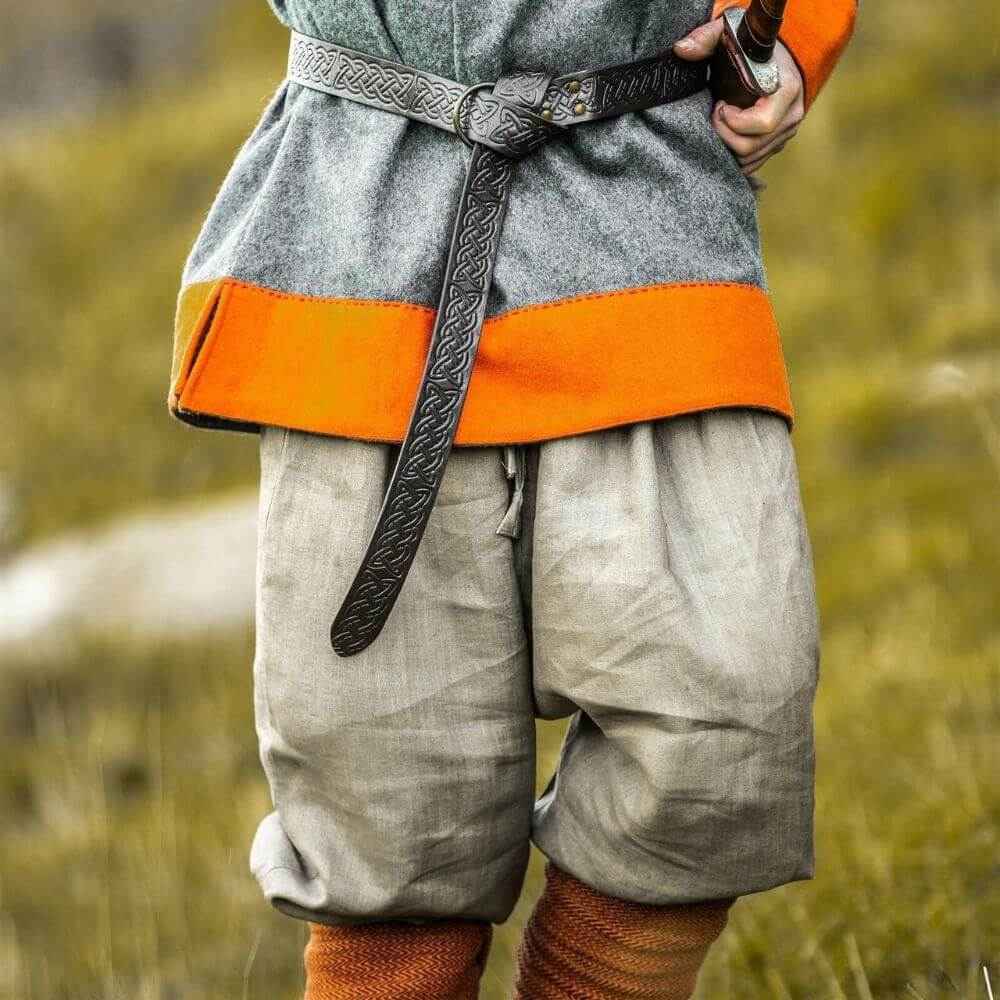
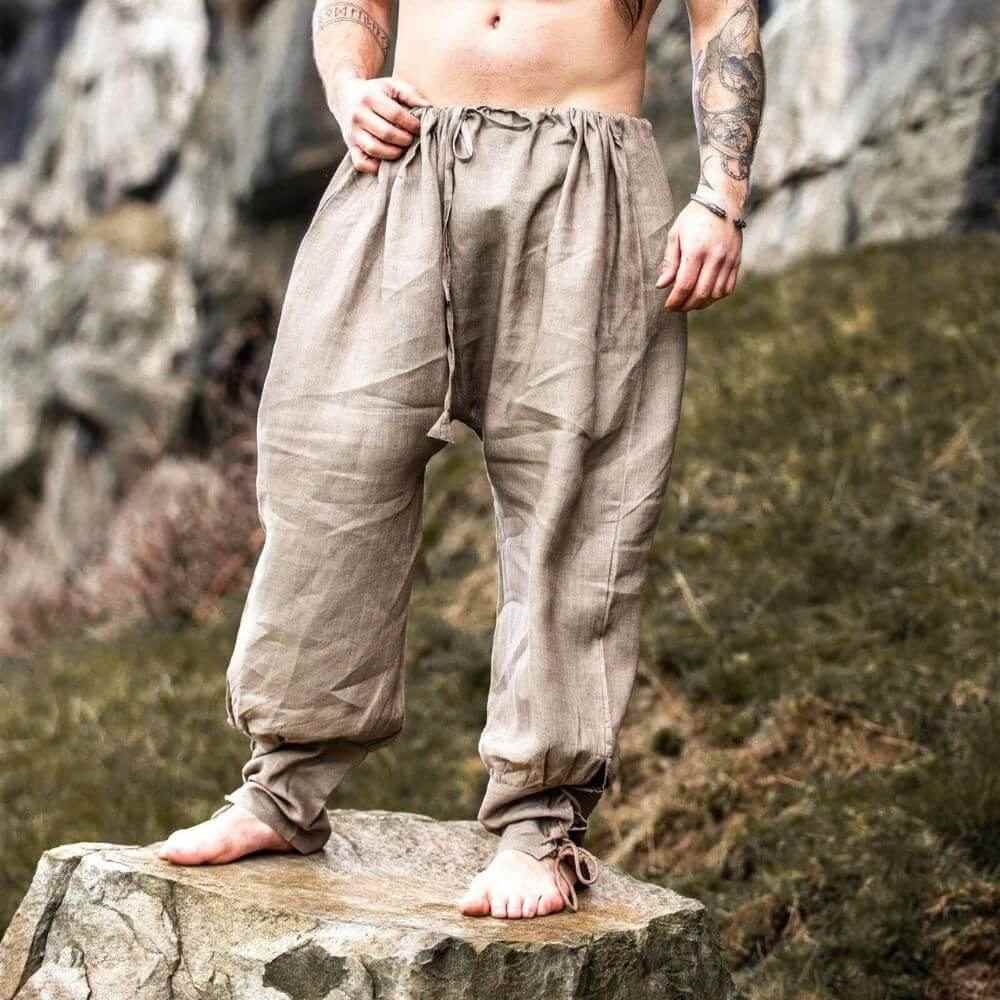
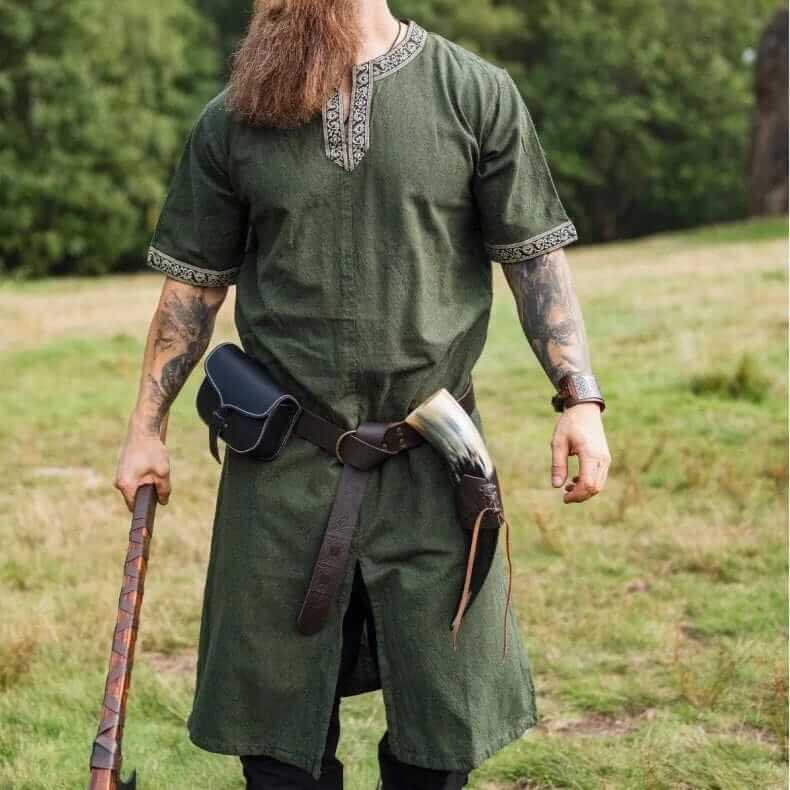
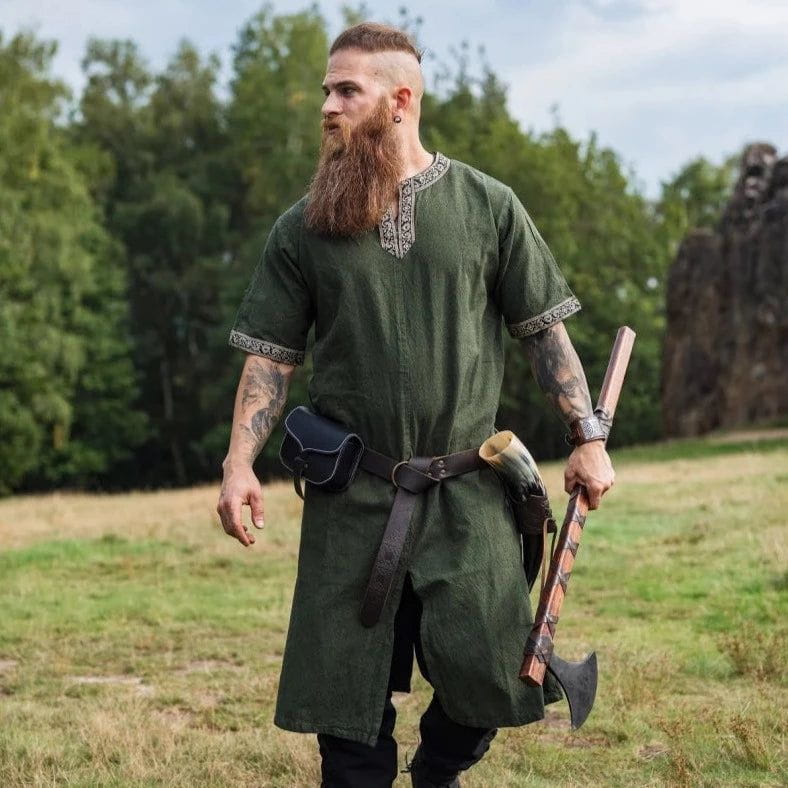
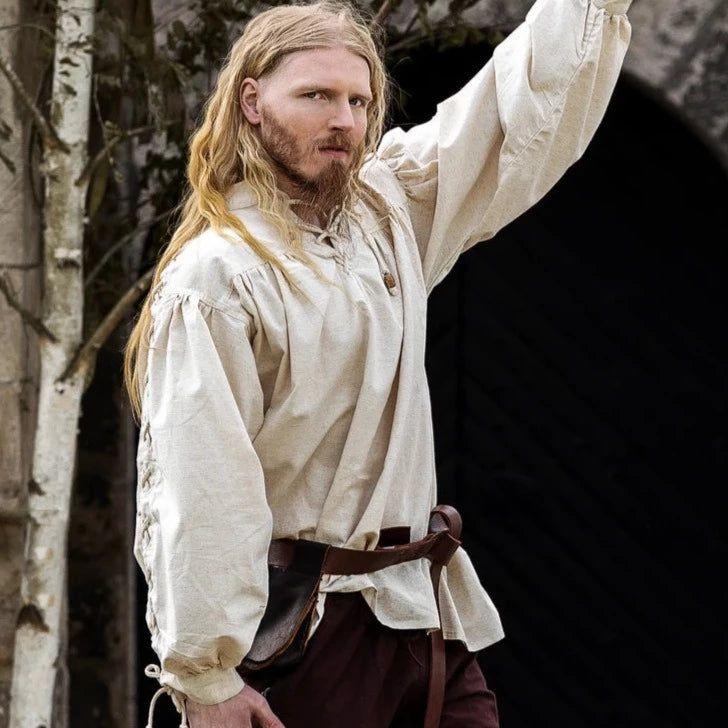
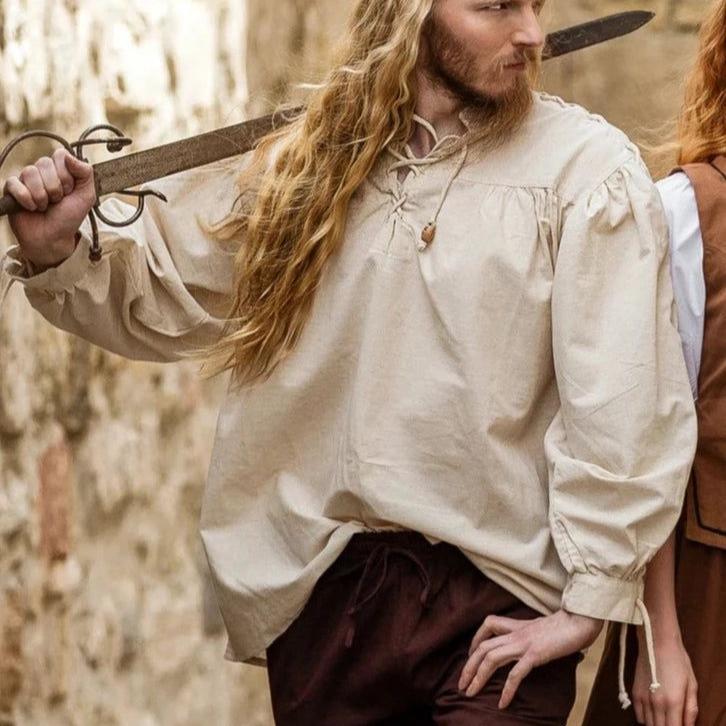
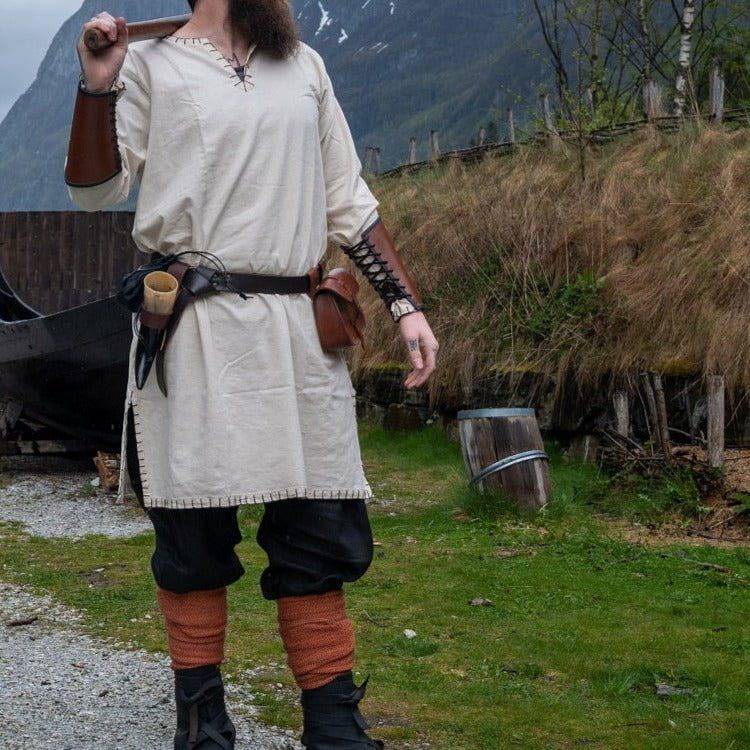
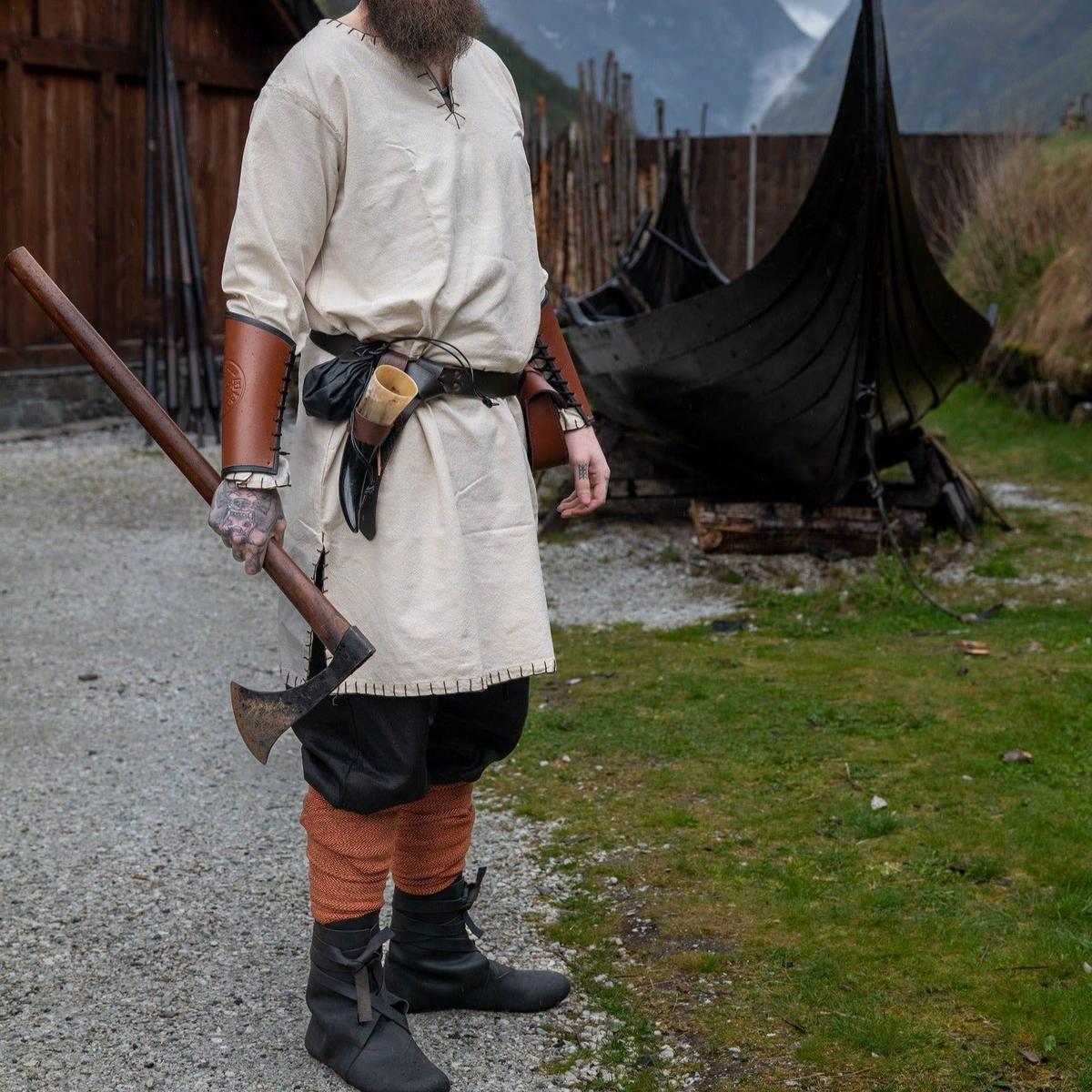
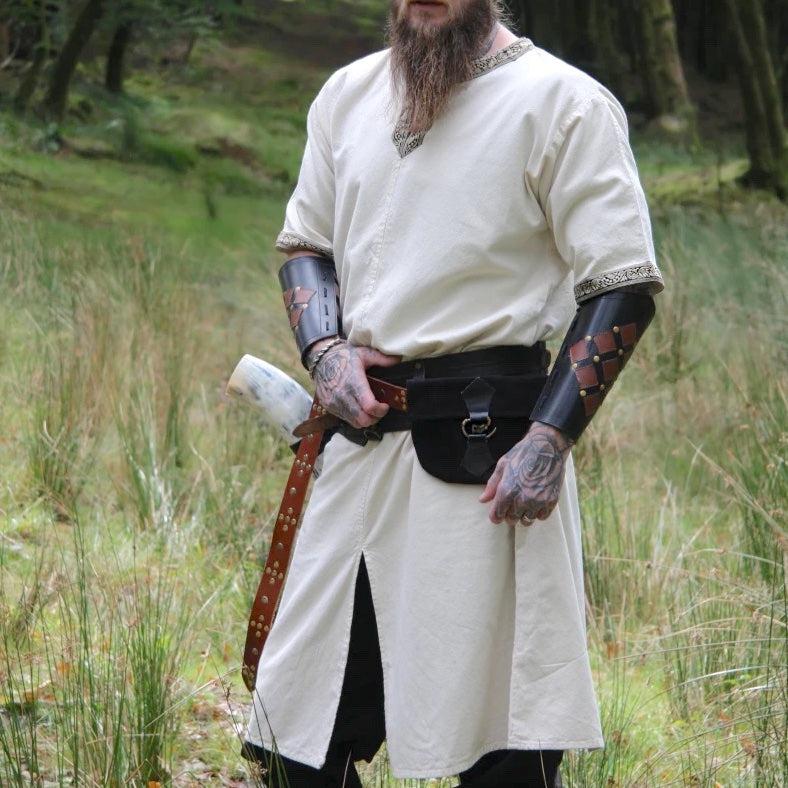
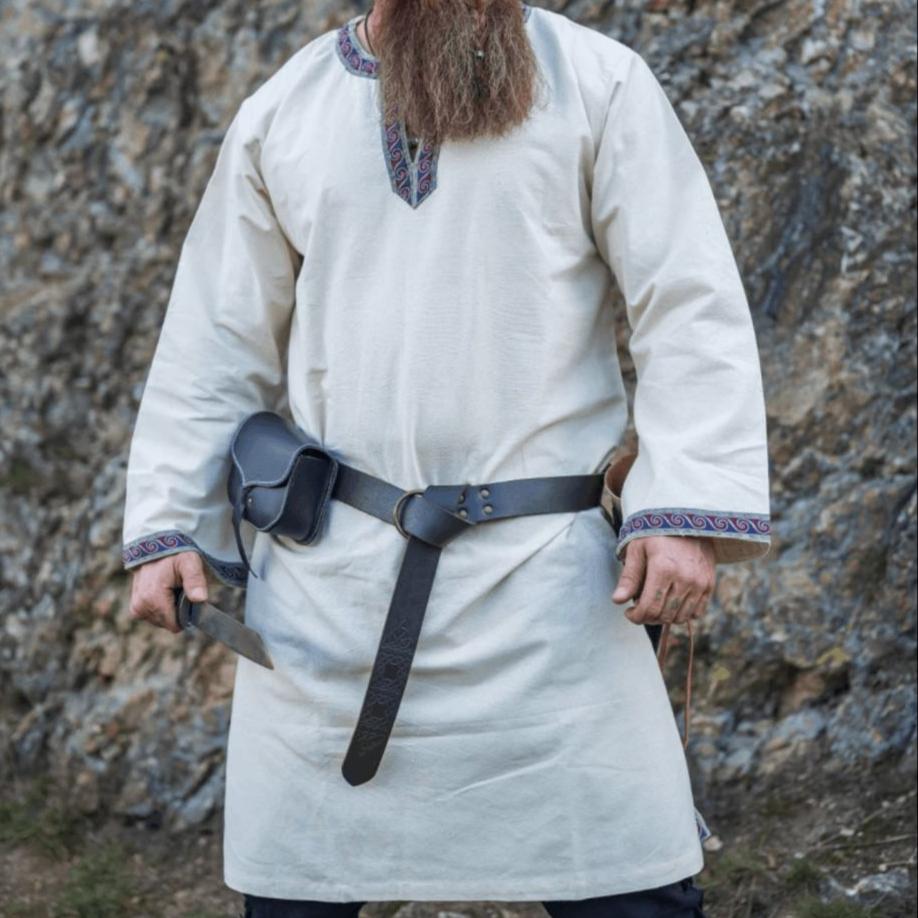
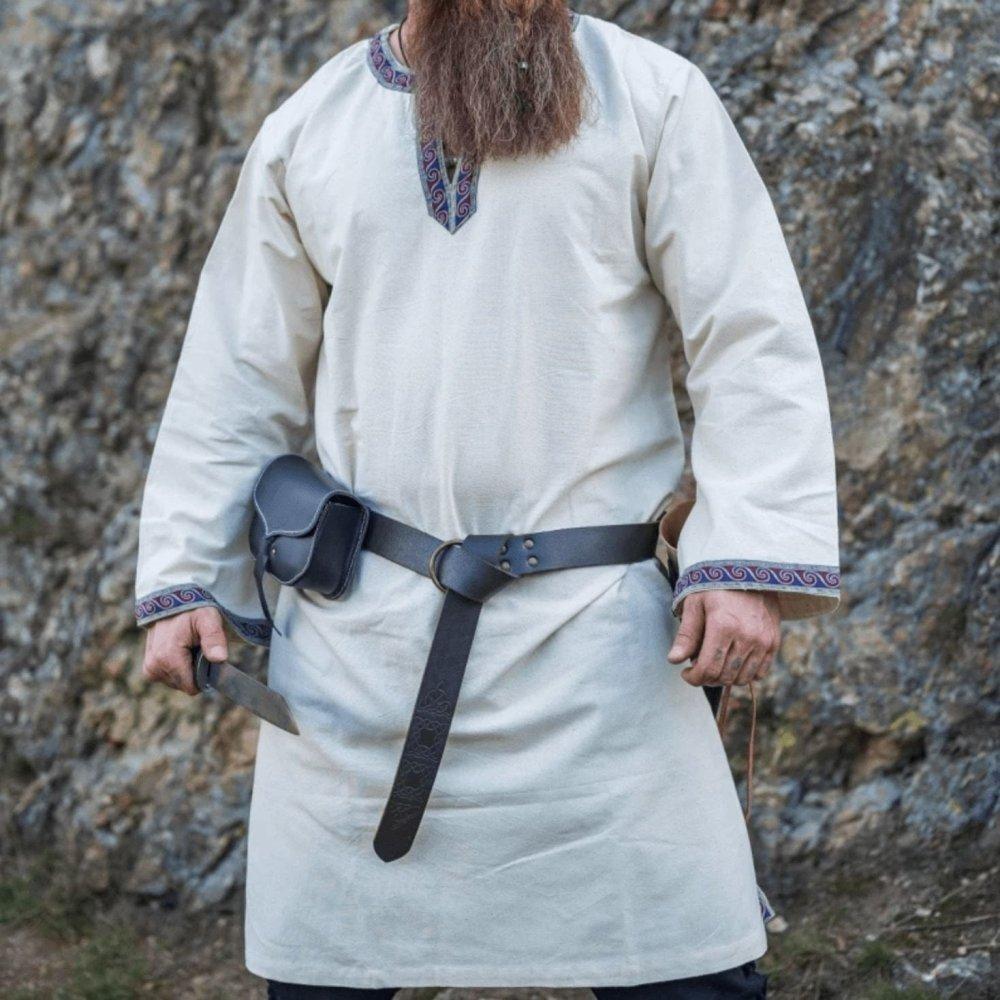
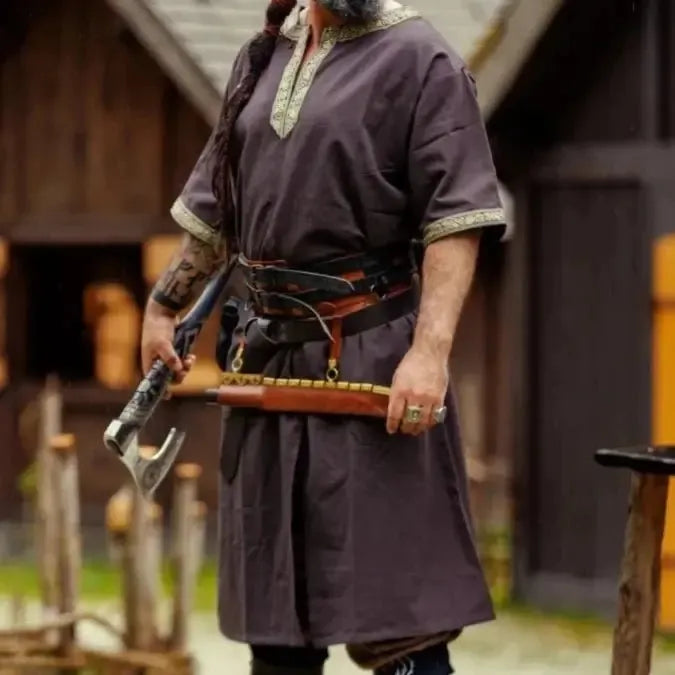
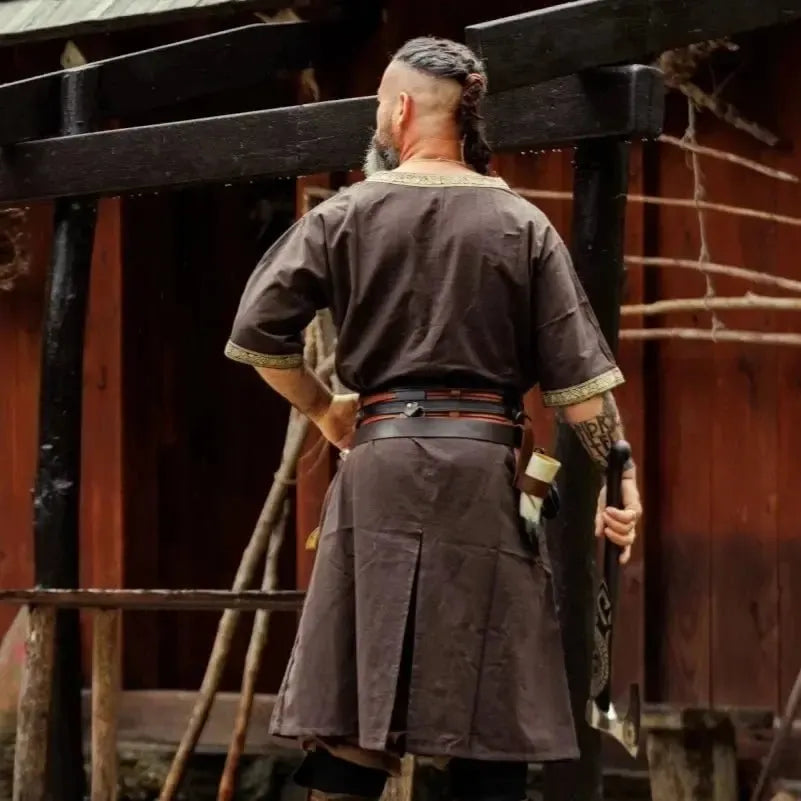
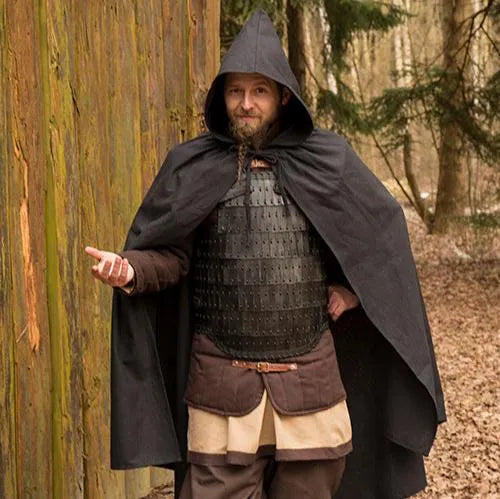
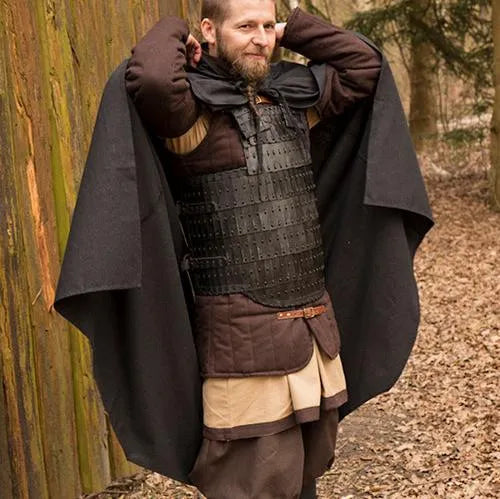
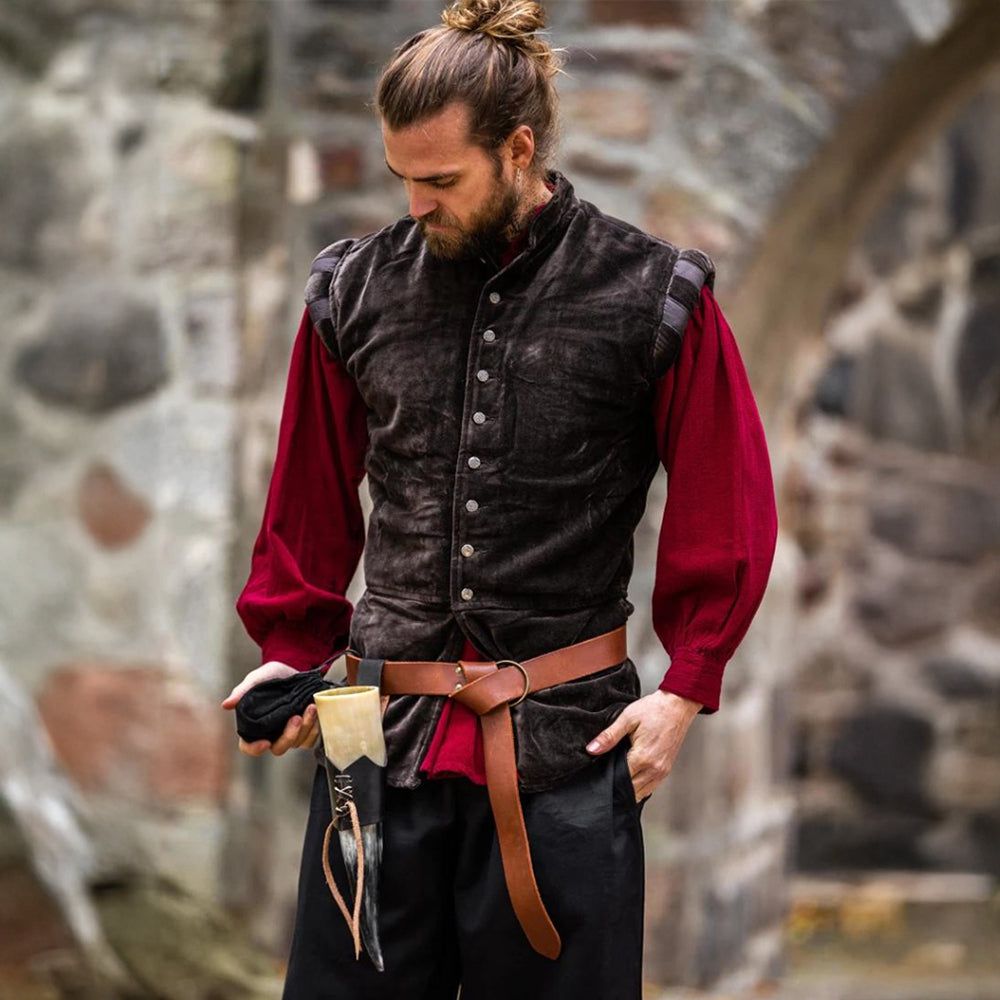
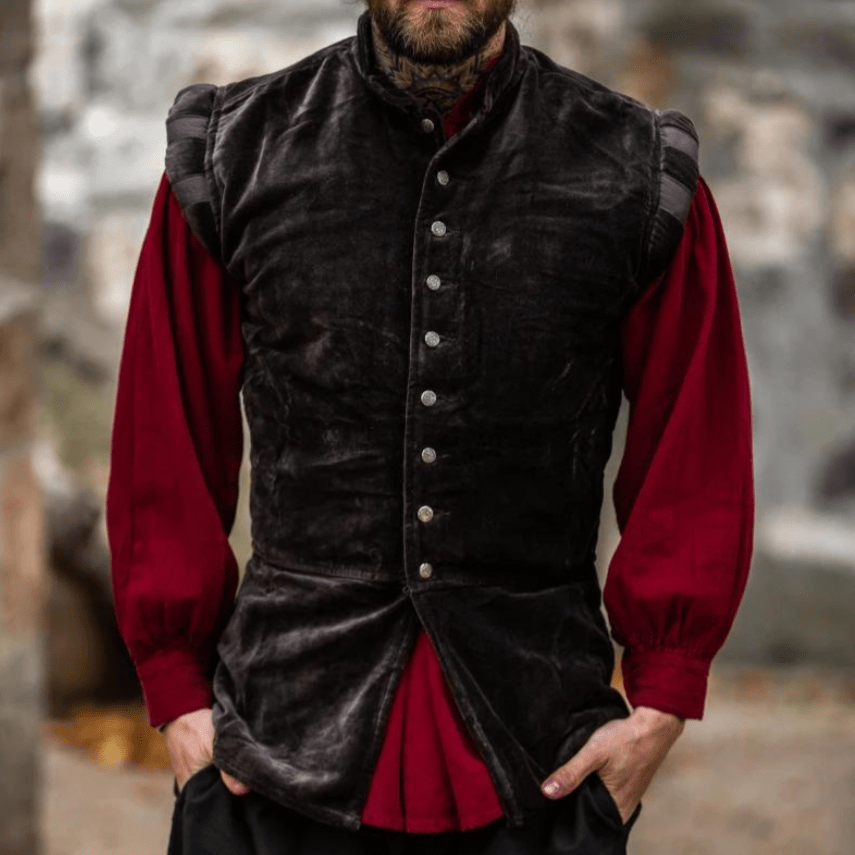
The silhouettes come from historical working clothes. Tunics that allow full range of motion. Trousers that handle crouching, climbing, and rough terrain. Leather vests that add warmth and protection. Nothing restrictive. Nothing decorative for its own sake. Just functional design that serves the character's lifestyle.
Layering for Changing Conditions
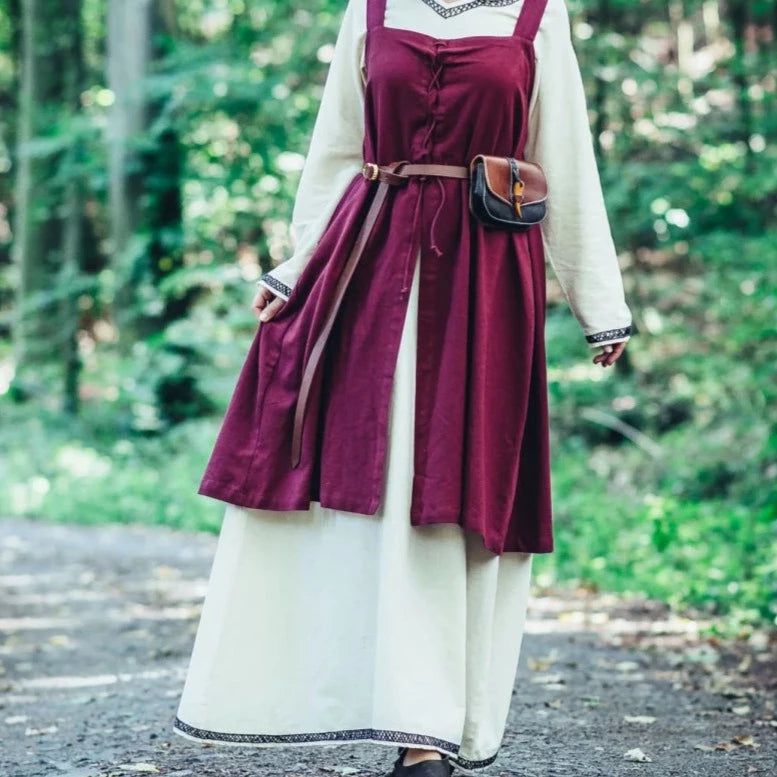
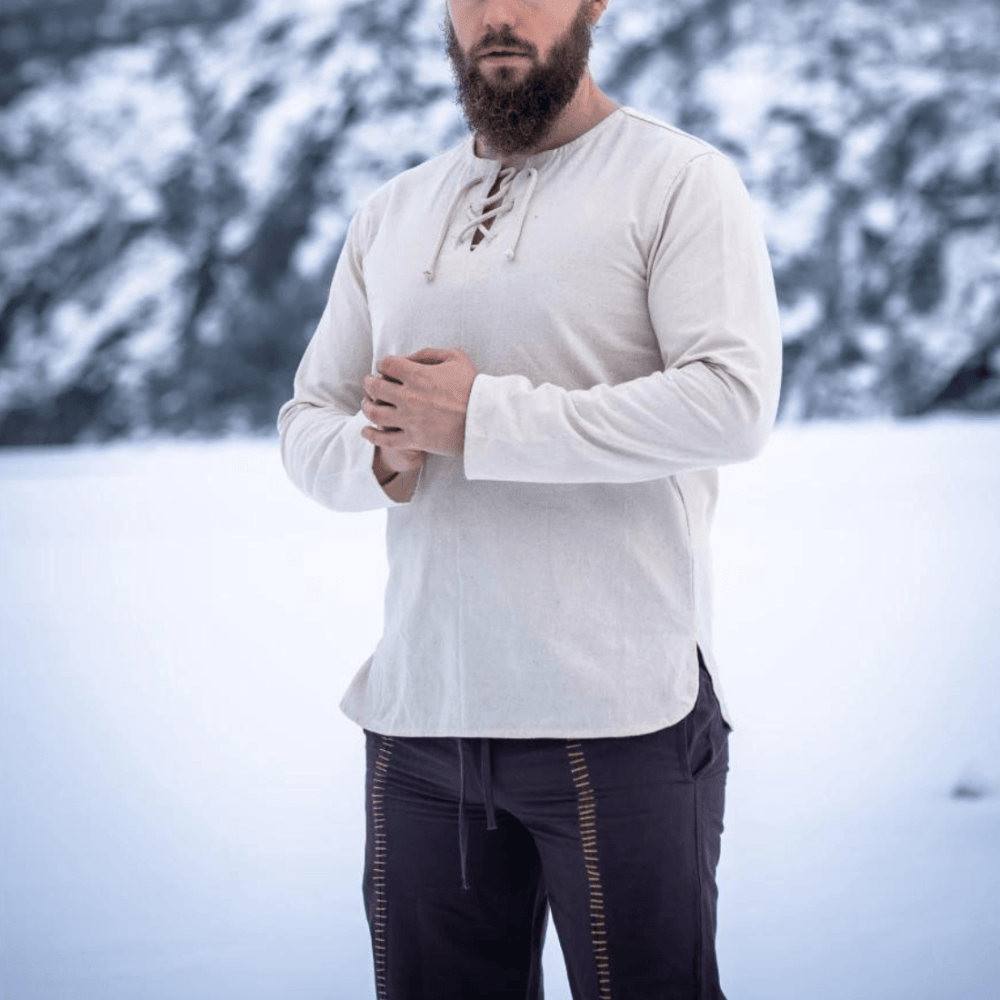
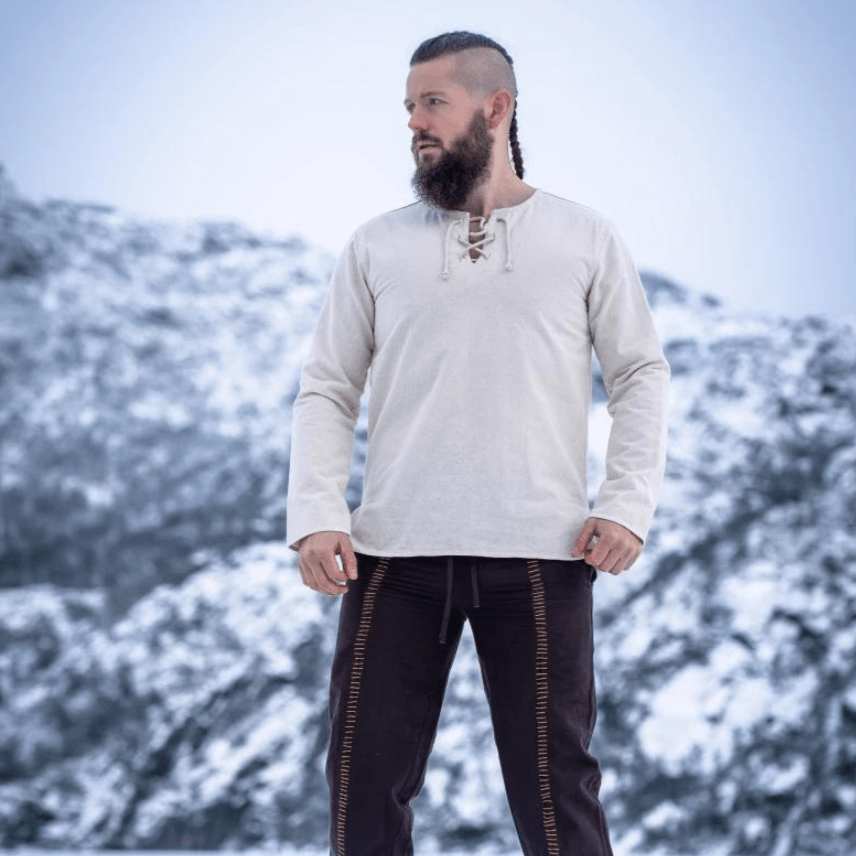
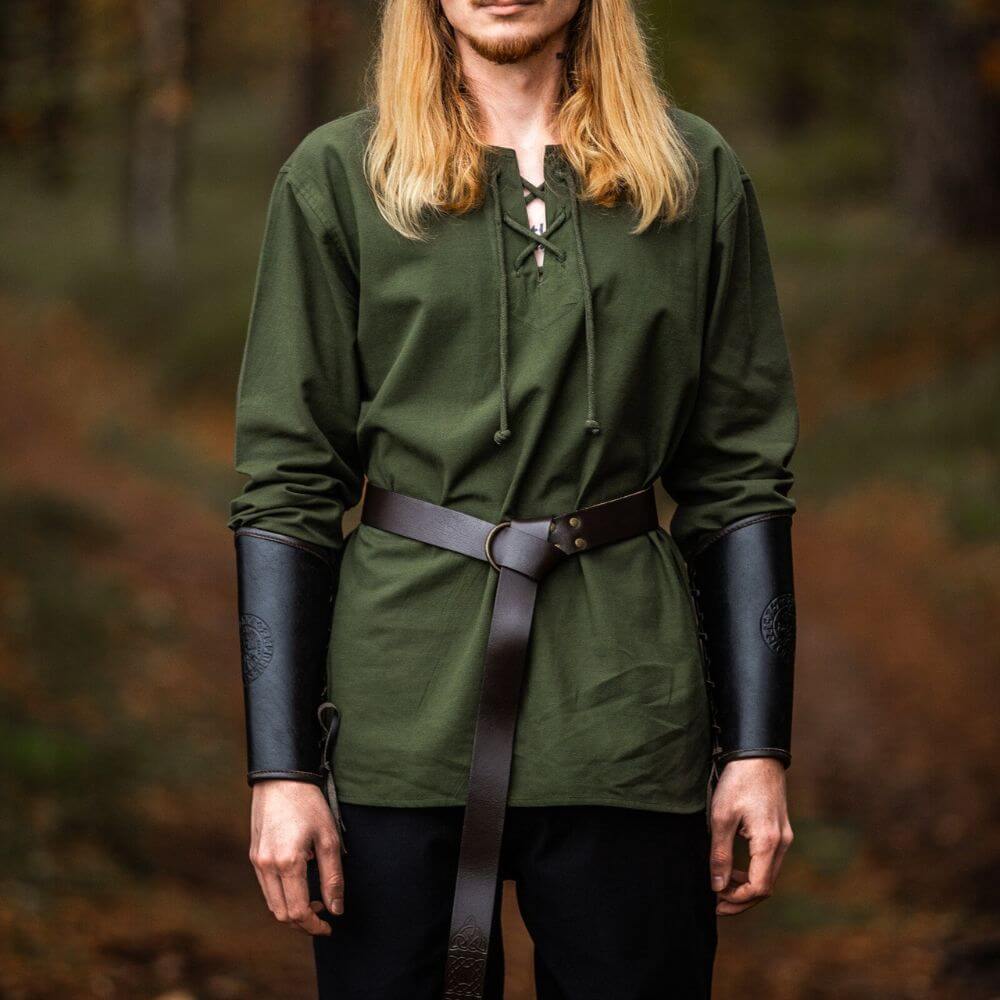
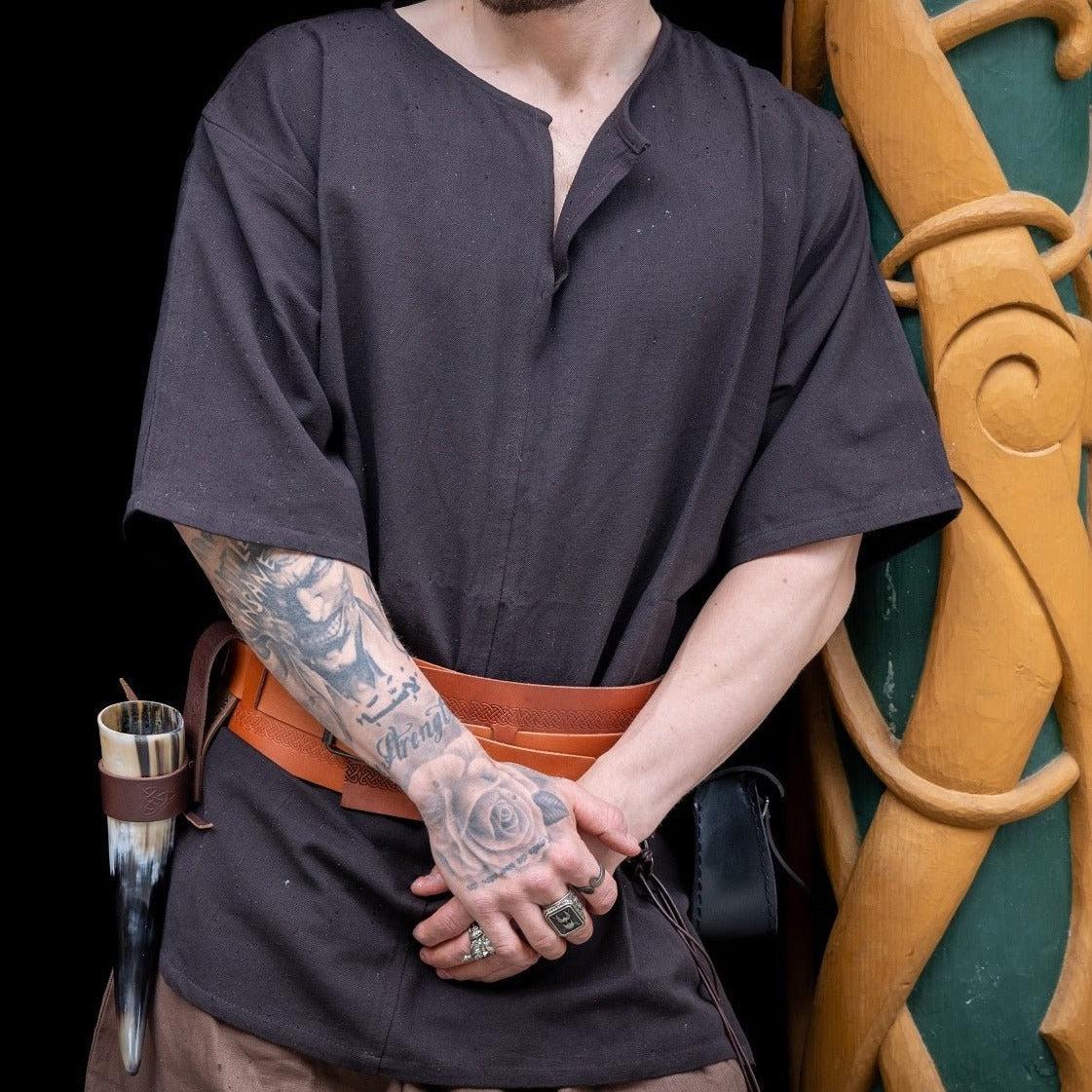
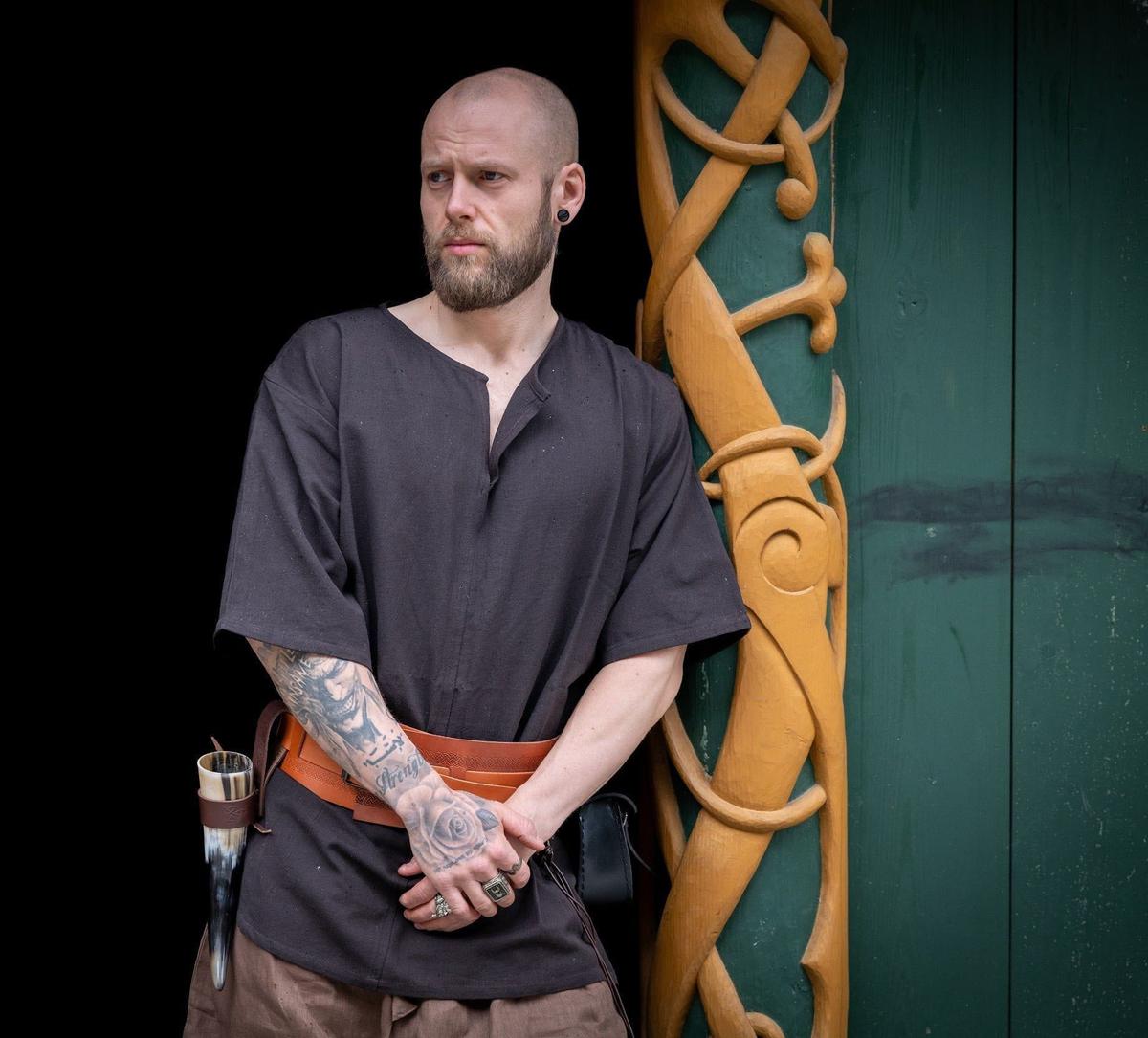
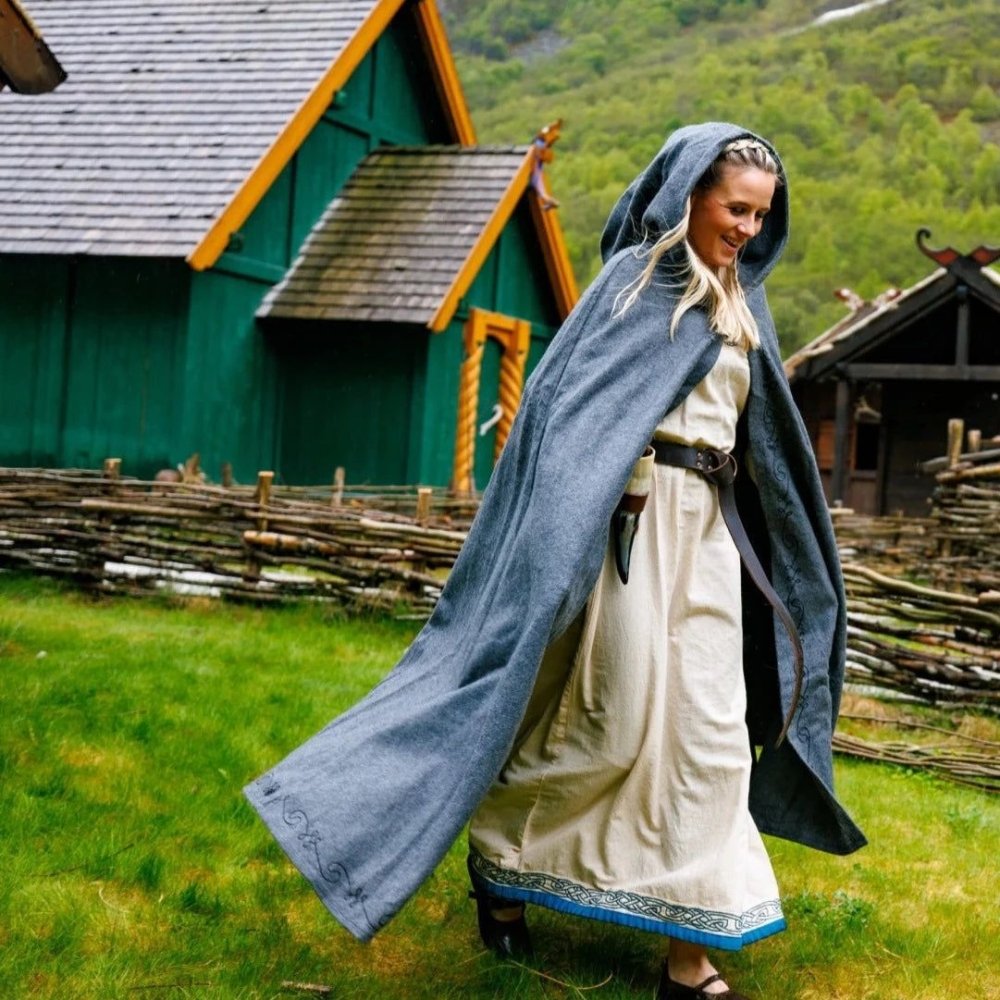
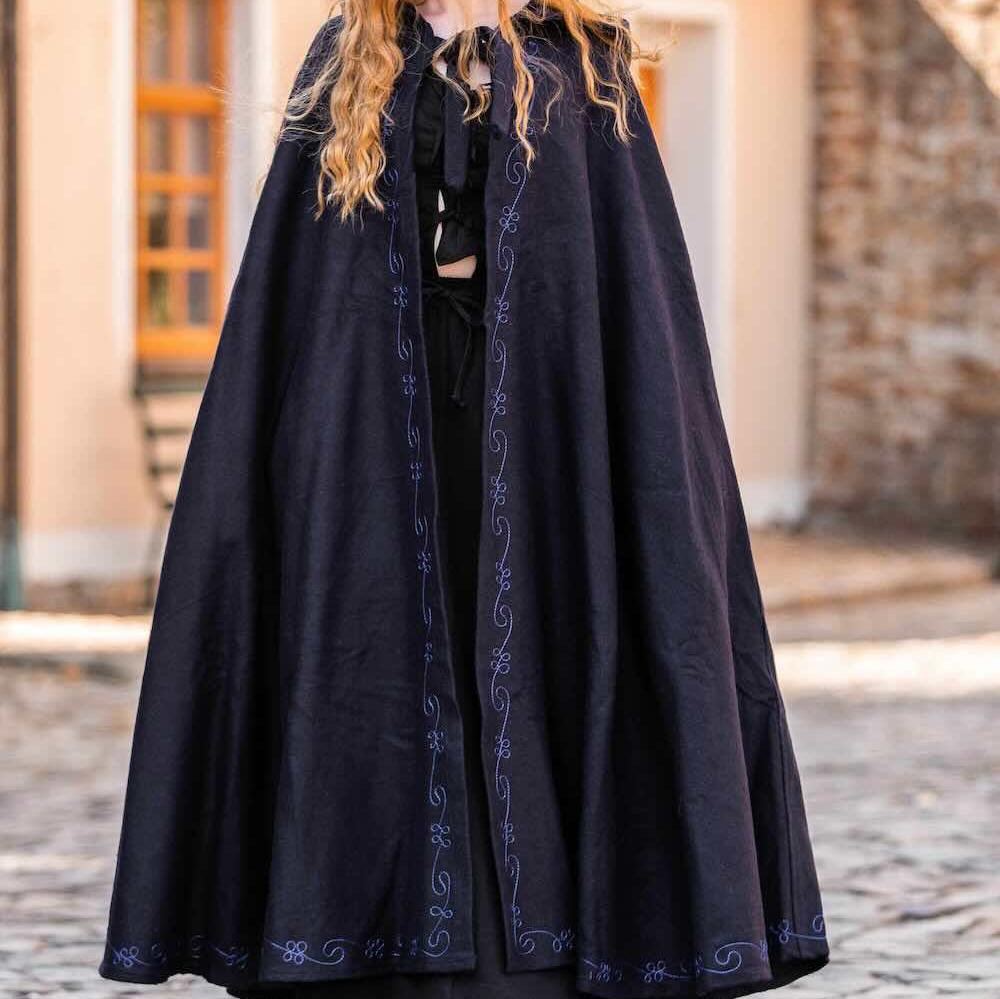
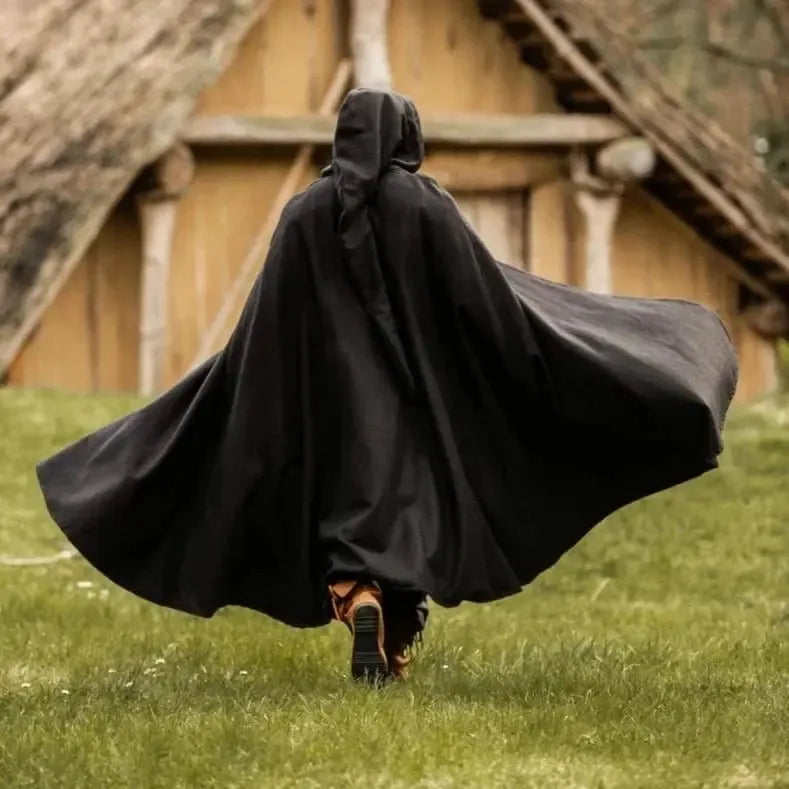
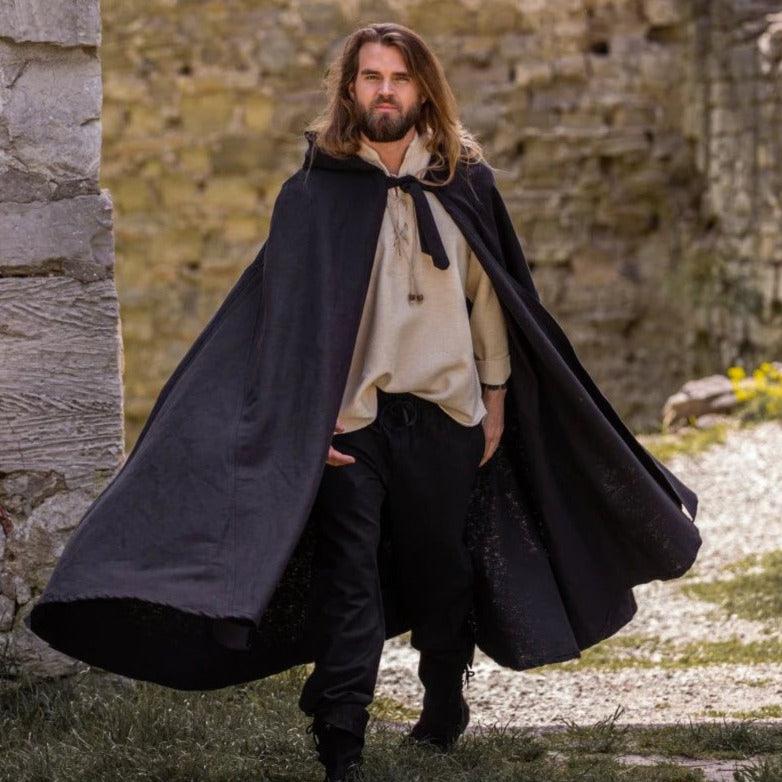
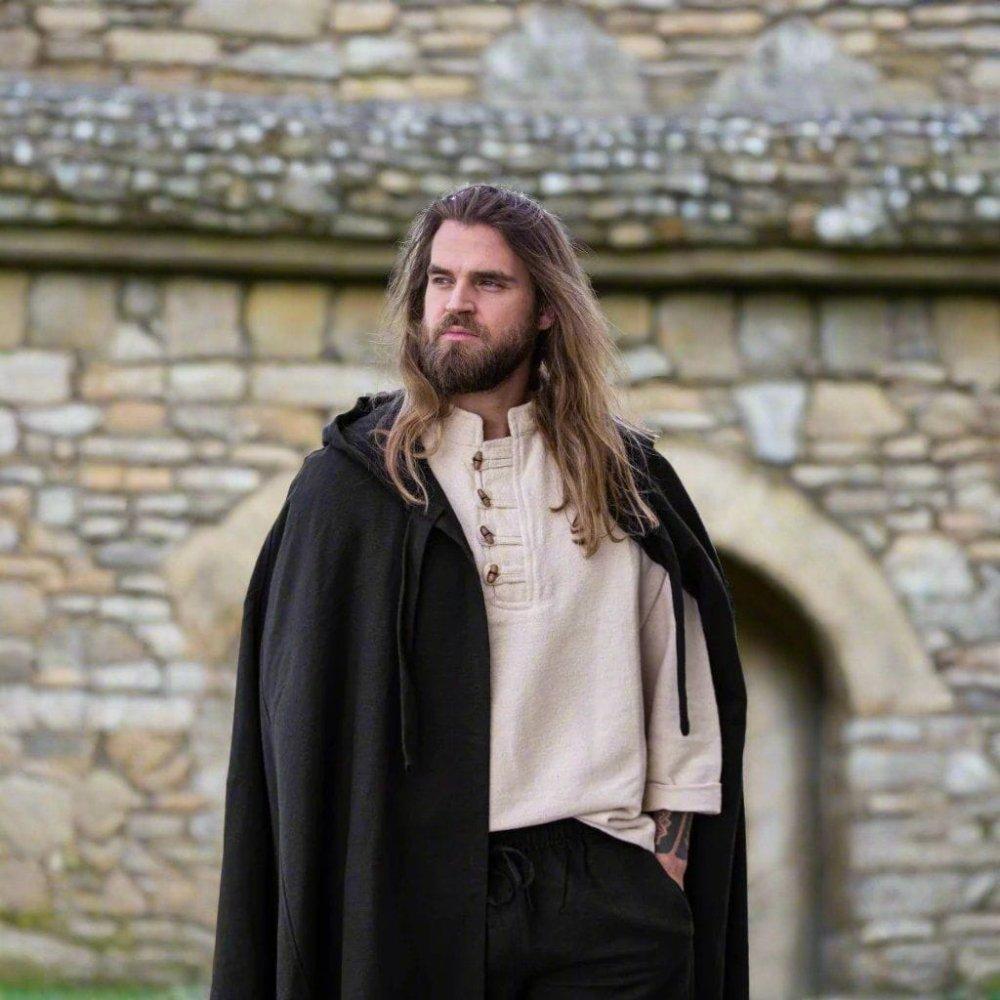
Start with a base tunic in linen or cotton. Add a leather jerkin when temperature drops. Throw on a wool cloak when rain threatens. Our ranger clothing layers smoothly without creating bulk. Each piece serves a purpose in your outdoor wardrobe.
Natural fibers wick moisture away from your body. Leather blocks wind. Wool stays warm even when damp. These are the same materials medieval people relied on for outdoor survival. Modern outdoor enthusiasts pay premium prices for technical fabrics that replicate what wool and linen did naturally for centuries.
Weight matters for wilderness gear. A heavy wool cloak provides warmth but adds pounds to carry. A light linen tunic keeps you cool but offers minimal protection. We stock both ends of that spectrum. Choose based on your climate, event season, and how much gear your character carries.
Leather Gear That Works
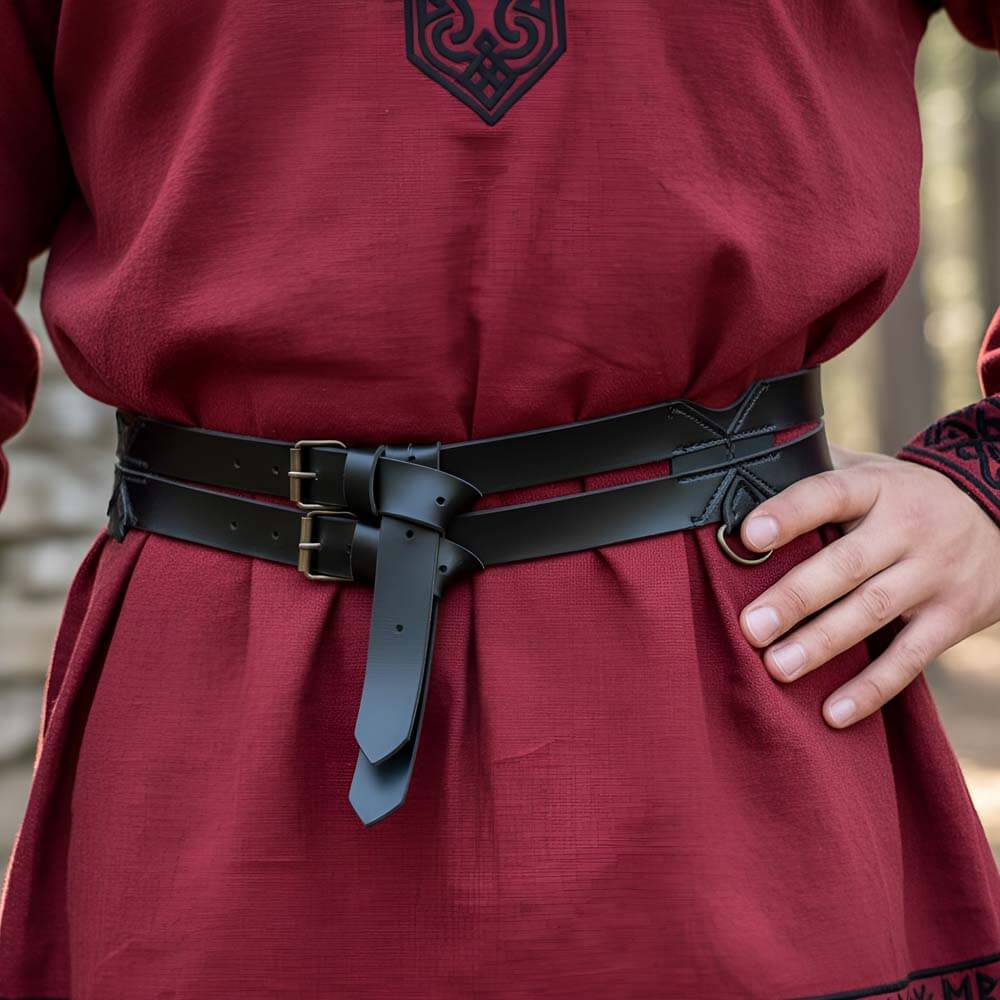
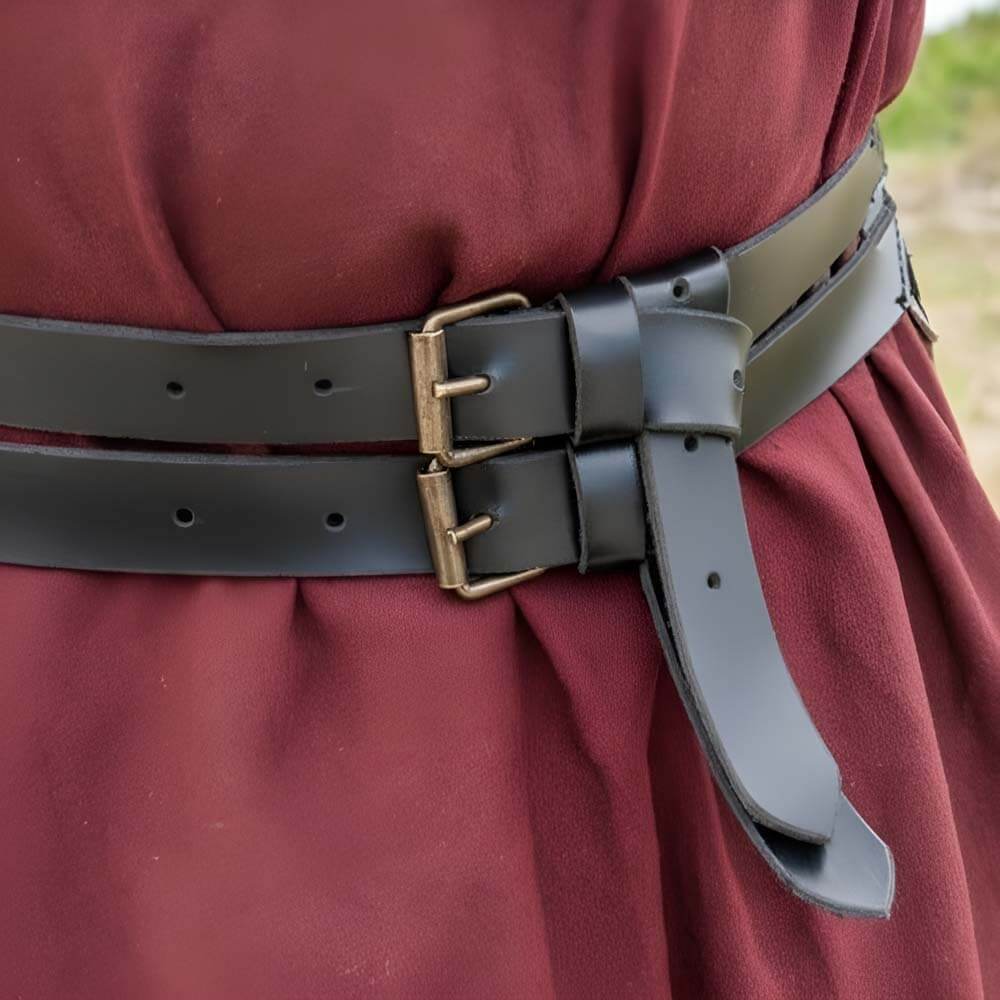
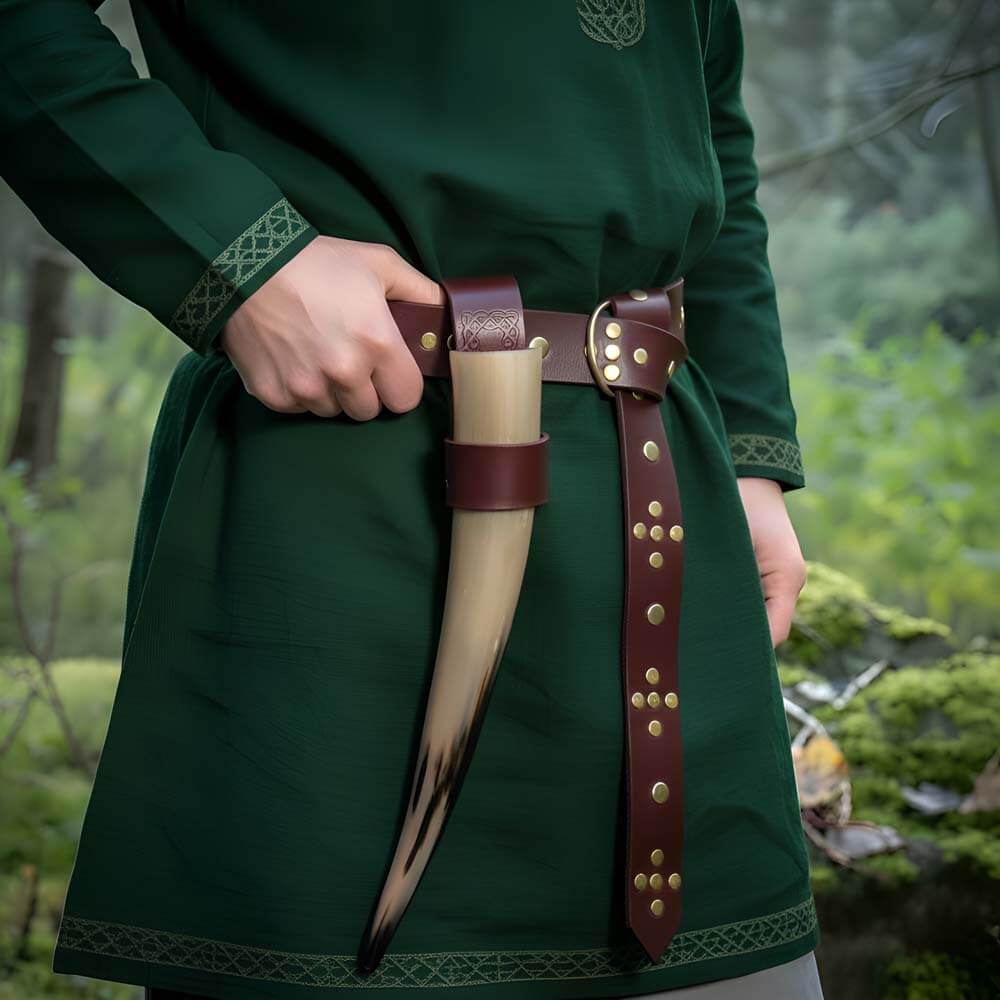
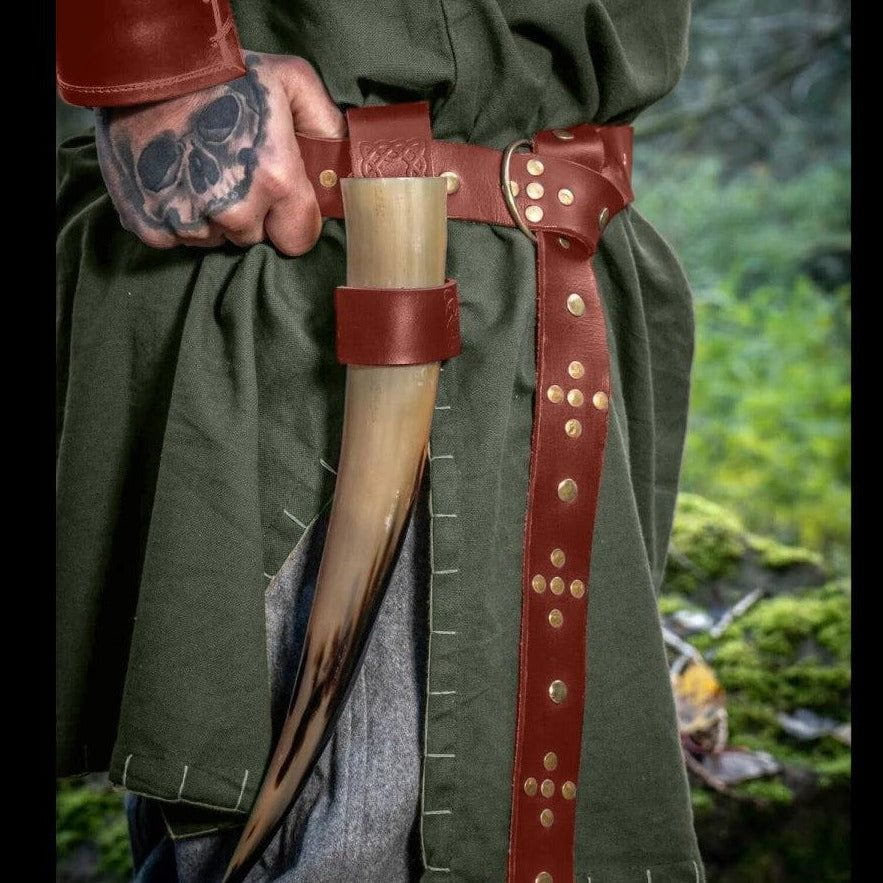
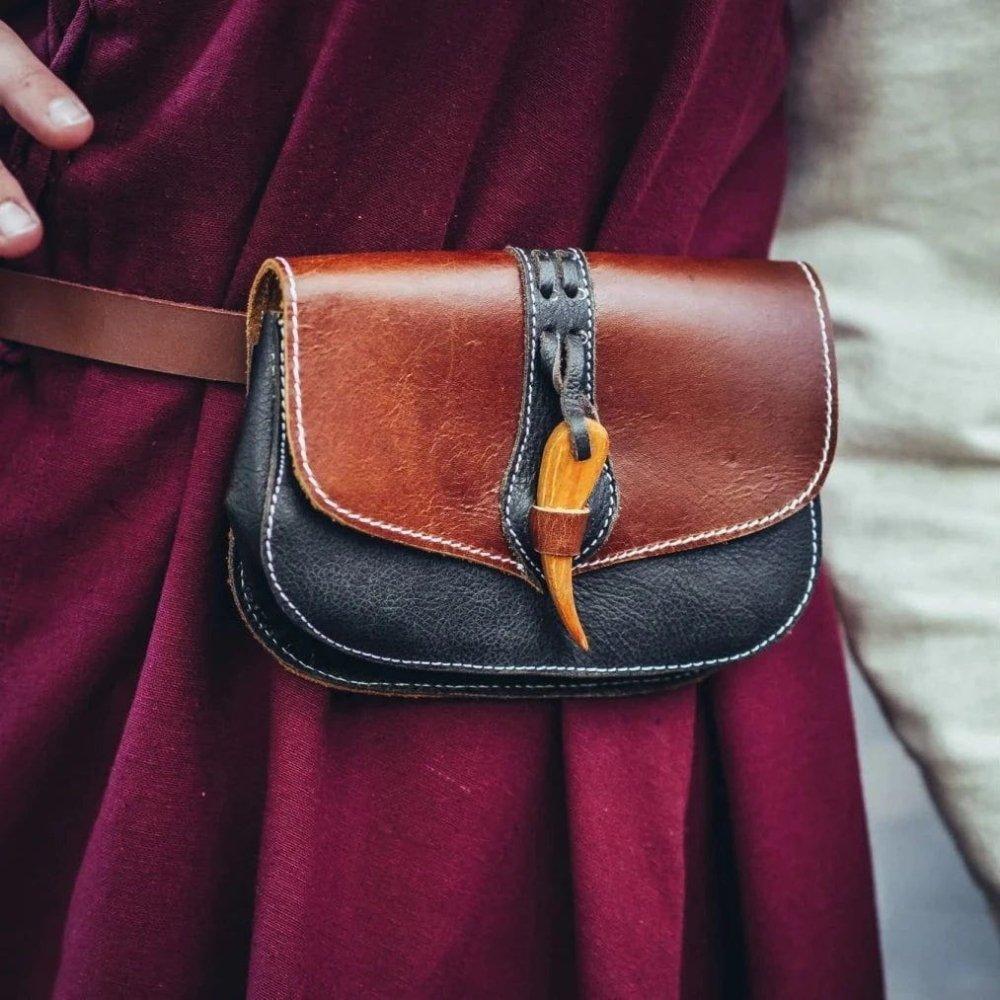
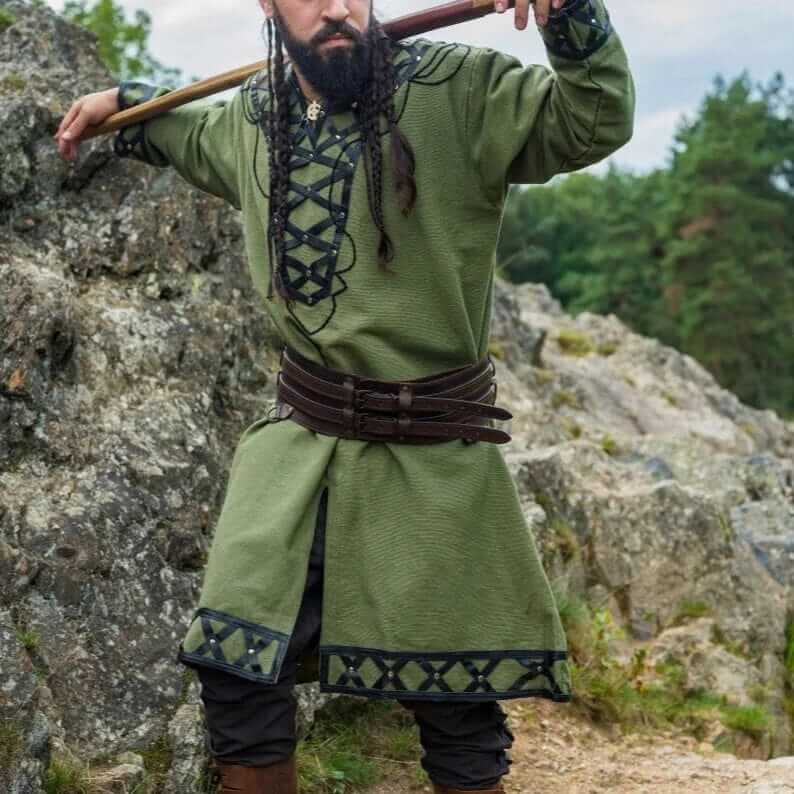
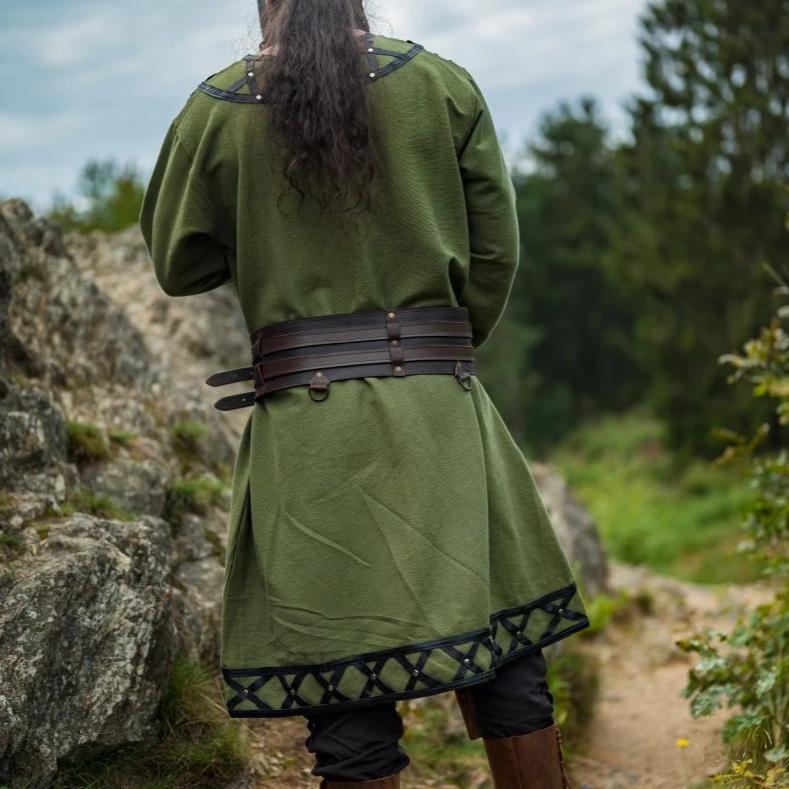
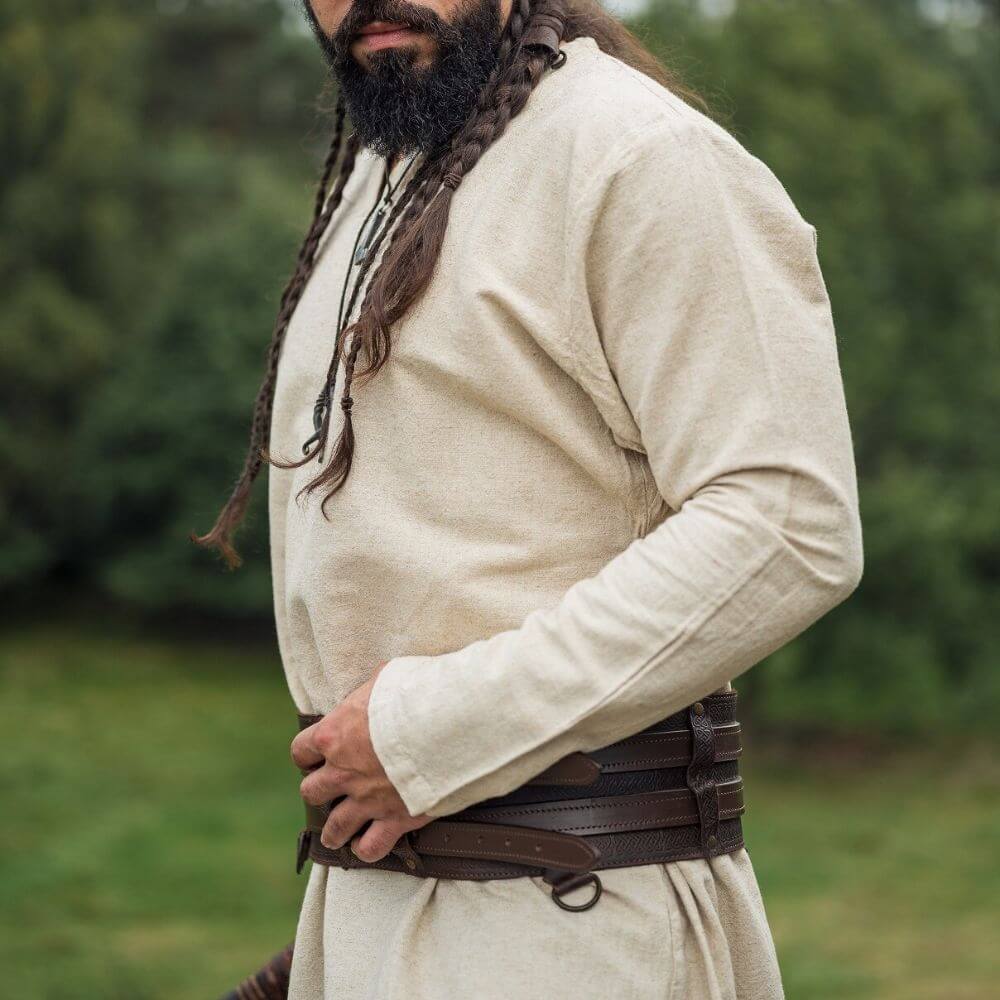
Leather appears throughout this collection. Belts hold your gear. Jerkins add protection. Boot accents provide durability. Bag straps carry weight. We use real leather because it ages beautifully and tells a story with wear.
Medieval tanners used vegetable tanning methods. Oak bark. Chestnut bark. Slower process than modern chrome tanning but the results develop character over time. The leather starts stiffer but breaks in perfectly to your body and movements. Many of our pieces use veg tanned leather for that authentic feel and aging process.
Quality leather lasts decades with proper care. Condition items with mink oil or leather balm twice yearly. More often if you wear them frequently or expose them to harsh weather. The leather stays supple and develops a rich patina that only improves its appearance.
Function Over Decoration
Rangers move quietly through forests. Clothing stays silent. Natural fibers don't rustle like synthetics. Metal hardware gets dulled or wrapped in leather to prevent noise. Every detail serves tracking, hunting, or staying undetected in wilderness environments.
Druids need different considerations. Room for ritual movement and gestures. Pockets or pouches for gathered herbs and natural materials. Hem lengths that work in forests and fields. The clothing supports their connection to nature rather than fighting against outdoor conditions.
LARP rangers run combat scenarios. Climb obstacles. Navigate undergrowth at speed. The clothing performs under stress. Strong seams hold during physical activity. Bar tacked stress points handle repeated strain. Reinforced knees on trousers take the abuse of kneeling, crawling, and rough ground.
Historical Roots of Outdoor Clothing
Medieval peasants and foresters wore practical clothing built to last. No elaborate embroidery that catches on branches. No delicate fabrics that tear easily. Just sturdy construction that handled daily outdoor work. We follow that tradition in every piece.
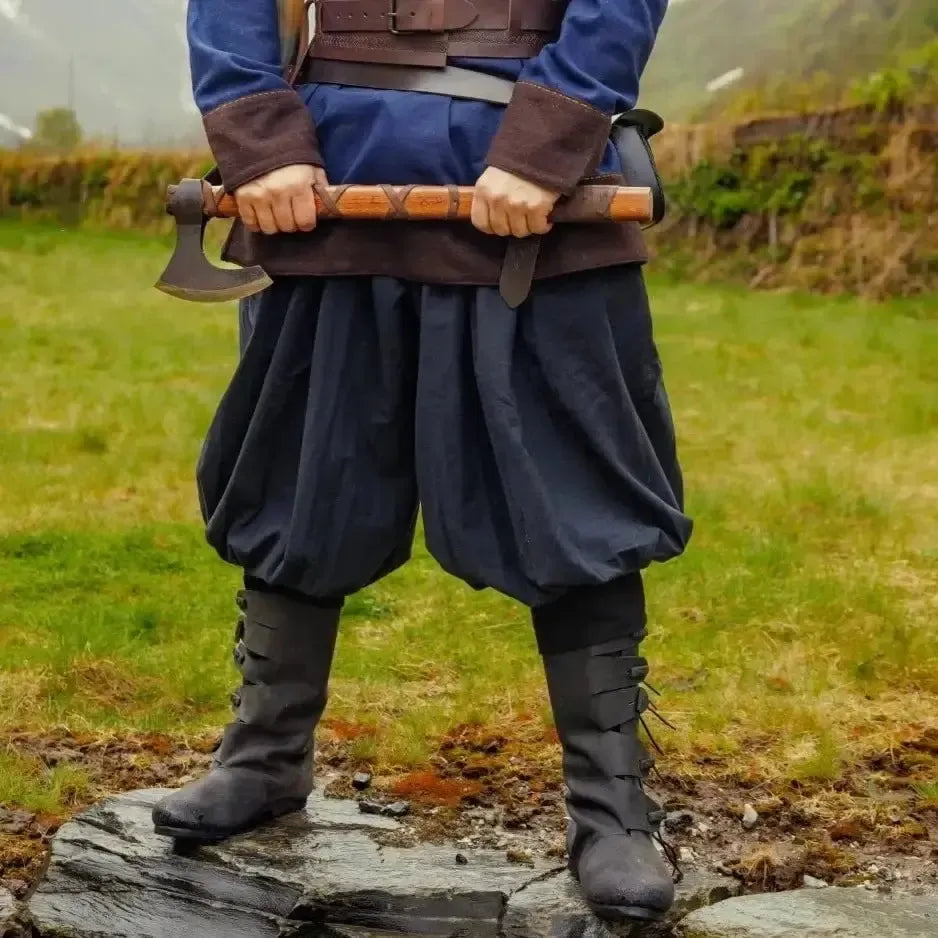
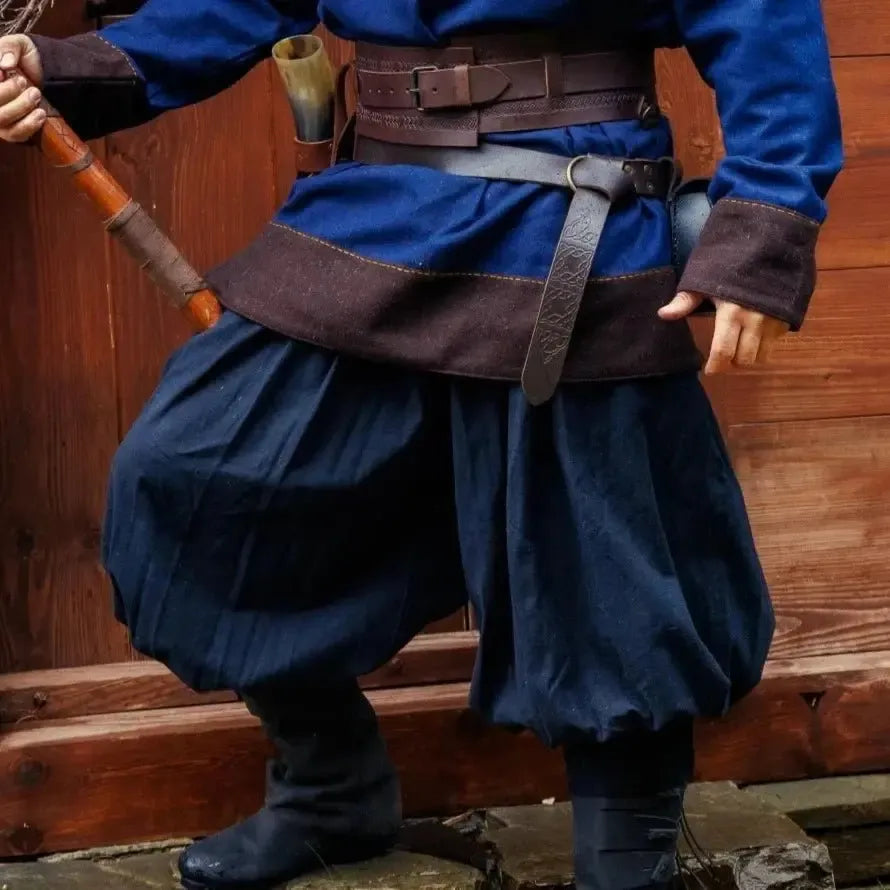
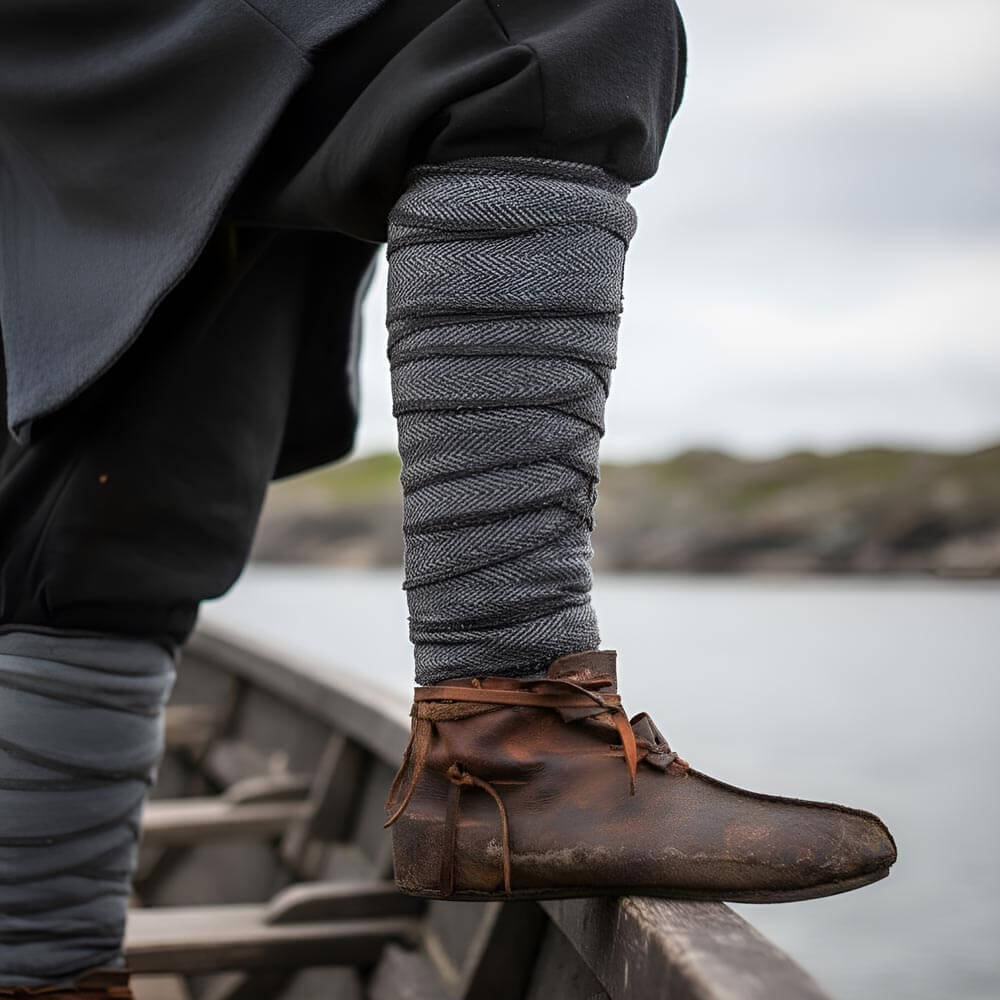
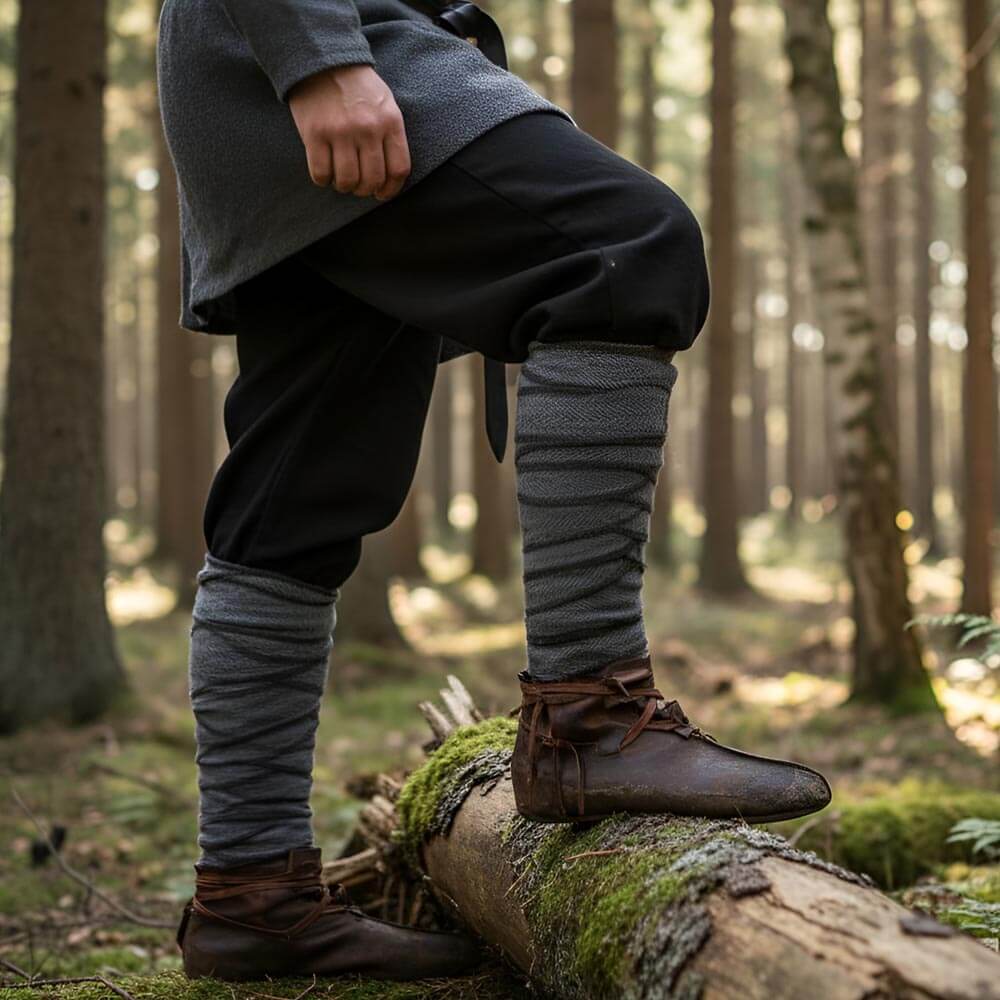
Trousers appeared earlier in history than most people realize. Germanic tribes wore them for practical reasons. Scandinavians wore them for warmth and protection. Romans called them barbaric but practical people across Europe adopted leg coverings quickly. We offer historically plausible options based on archaeological evidence and period artwork.
Tunic lengths varied by activity and time period. Shorter tunics for active work like hunting or tracking. Longer tunics for travel or less physical tasks. We stock various lengths so you can match your character's specific lifestyle and daily activities. A scout wears different lengths than a druid performing rituals.
Colors That Blend With Nature
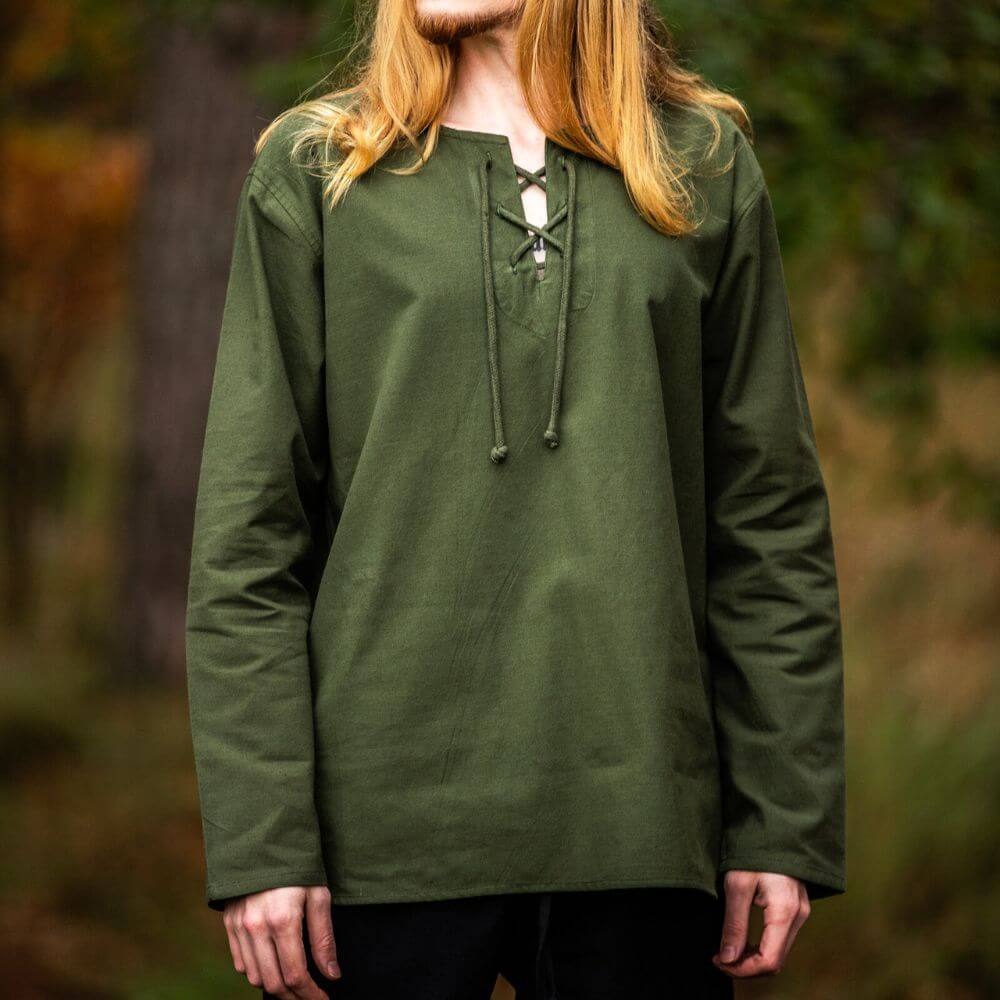
Forest green works in woodland settings. Deep brown blends with tree bark and earth. Tan disappears against dried grass and sandy soil. Grey matches stone and overcast skies. These colors aren't costume choices. They're practical camouflage that actually works in outdoor environments.
Seasonal considerations matter for wilderness characters. Spring and summer call for lighter greens that match new growth. Autumn demands browns, russets, and golds that blend with falling leaves. Winter needs greys and dark browns that match bare trees and frozen ground. Your character's home terrain determines the best color palette.
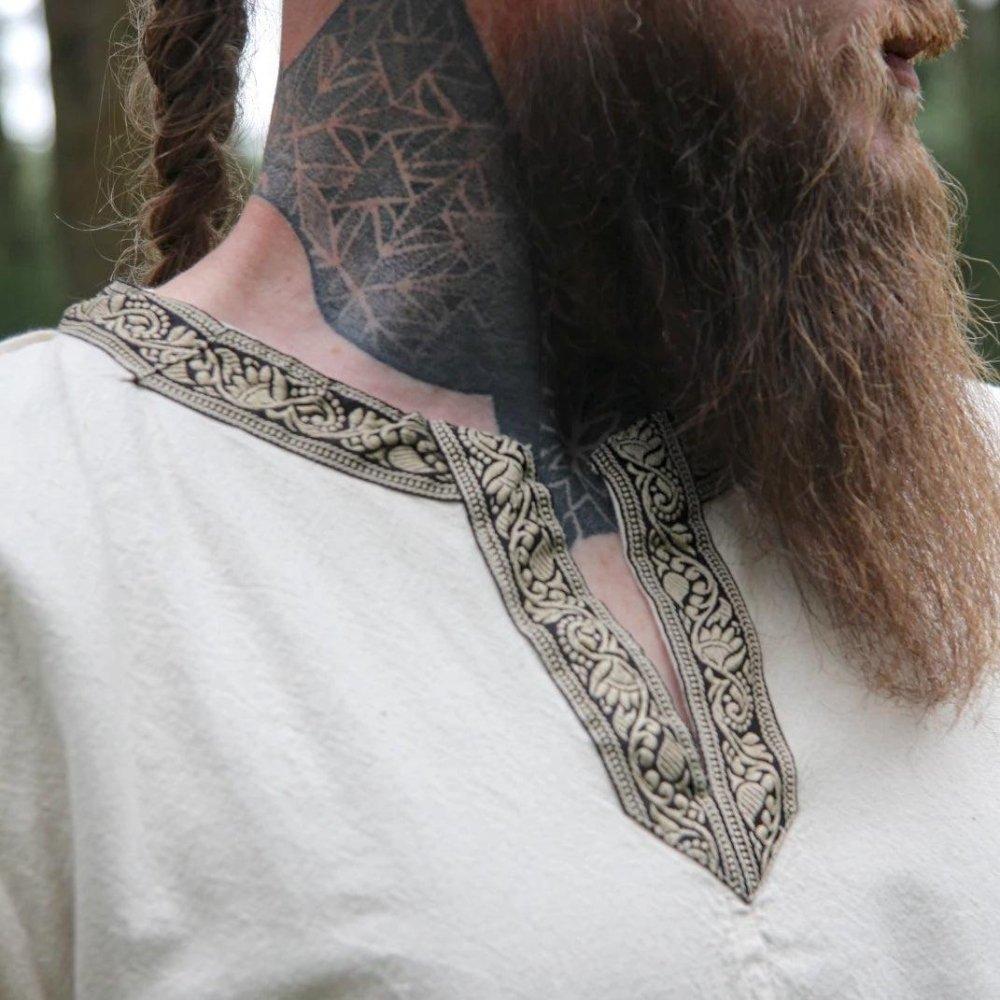
Undyed natural fabrics offer another option. Cream colored linen. Light brown wool. Grey hemp. These materials cost less historically because they skipped the dyeing process. Perfect for characters who live simply or need to stretch limited resources.
Building a Wilderness Wardrobe
Start with one good tunic in an earth tone that matches your character's primary terrain. Add sturdy trousers that handle outdoor wear. Invest in a quality leather belt that can carry your gear. These three pieces form the foundation of any ranger or druid wardrobe.
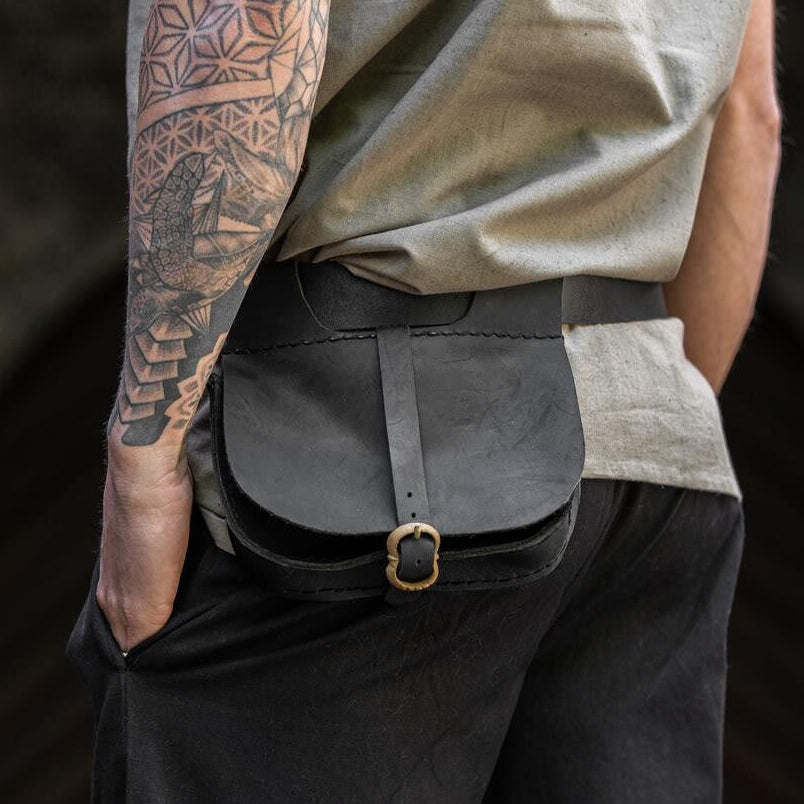
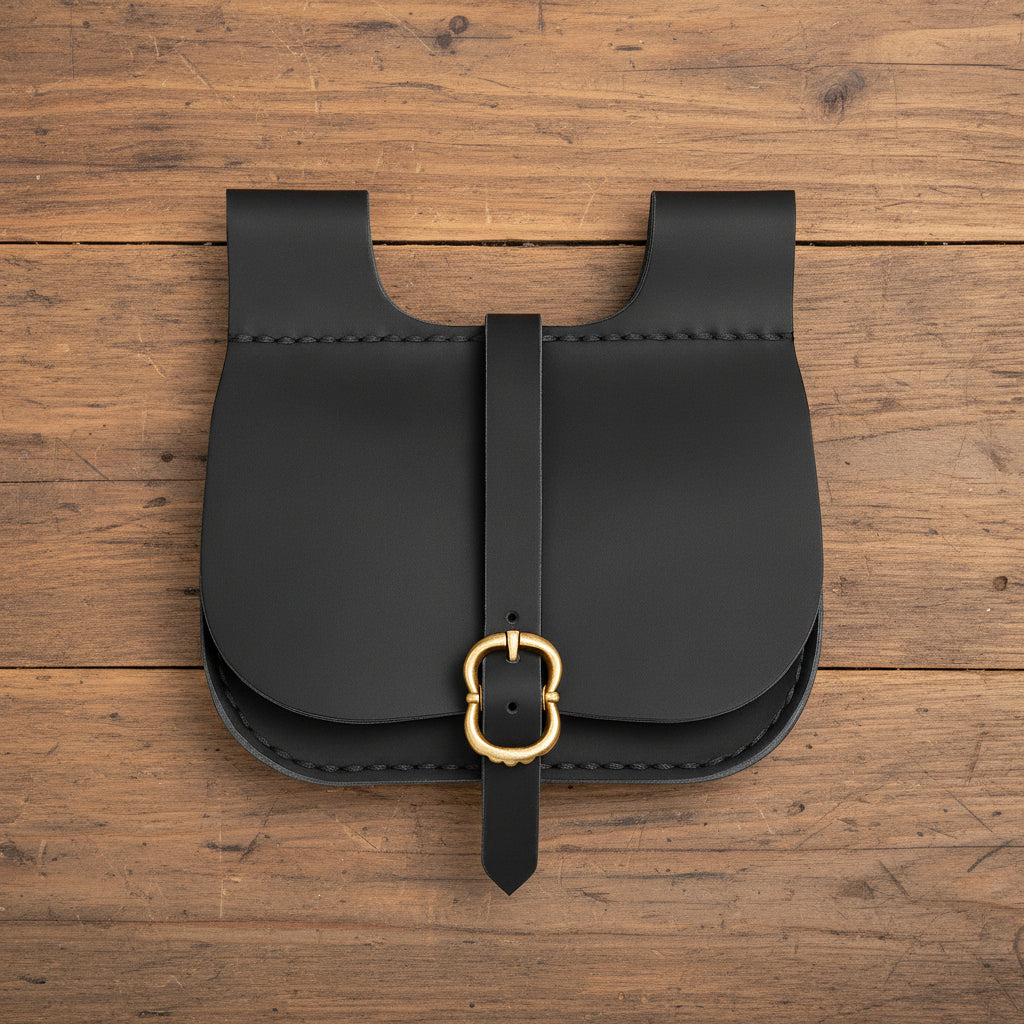
Add layers as your budget and character develop. A leather jerkin for cooler weather. A wool cloak for rain and cold. A second tunic so you can wash one between events. Belt pouches for carrying herbs, tools, or other character specific items. Build slowly and thoughtfully.
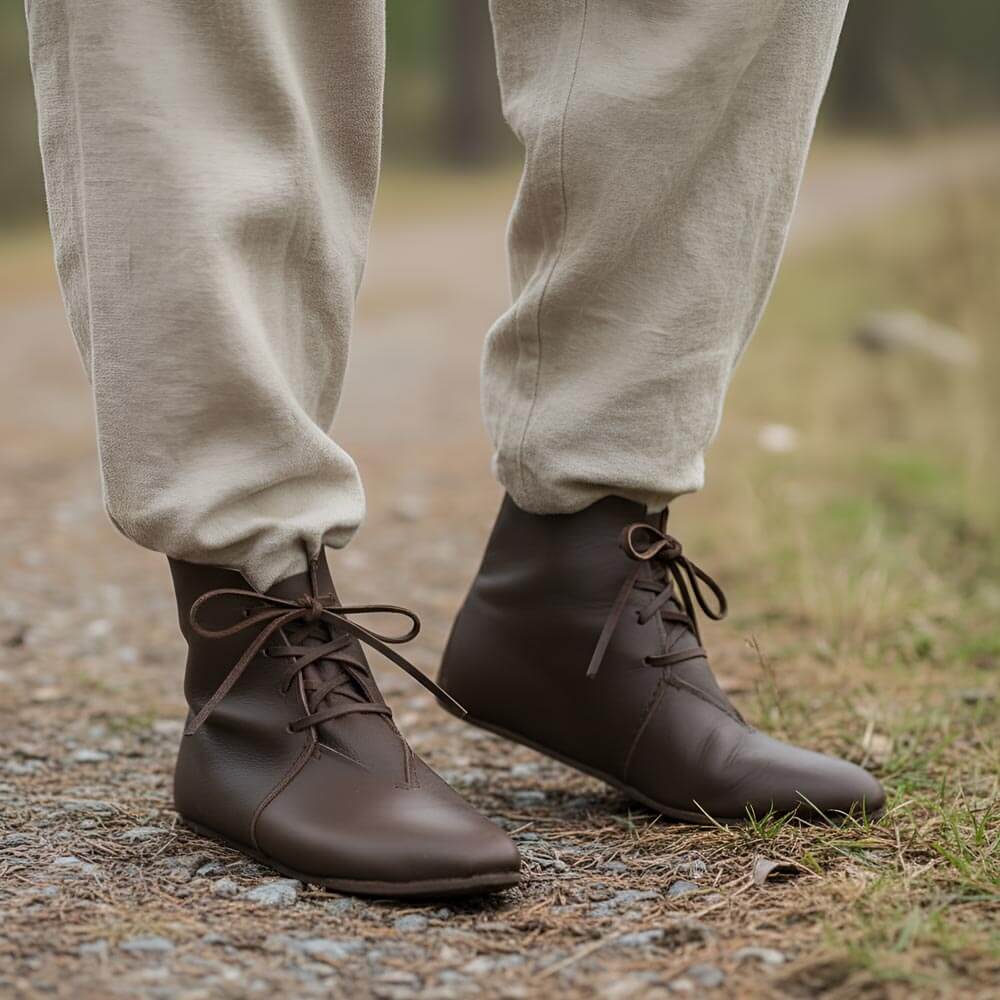
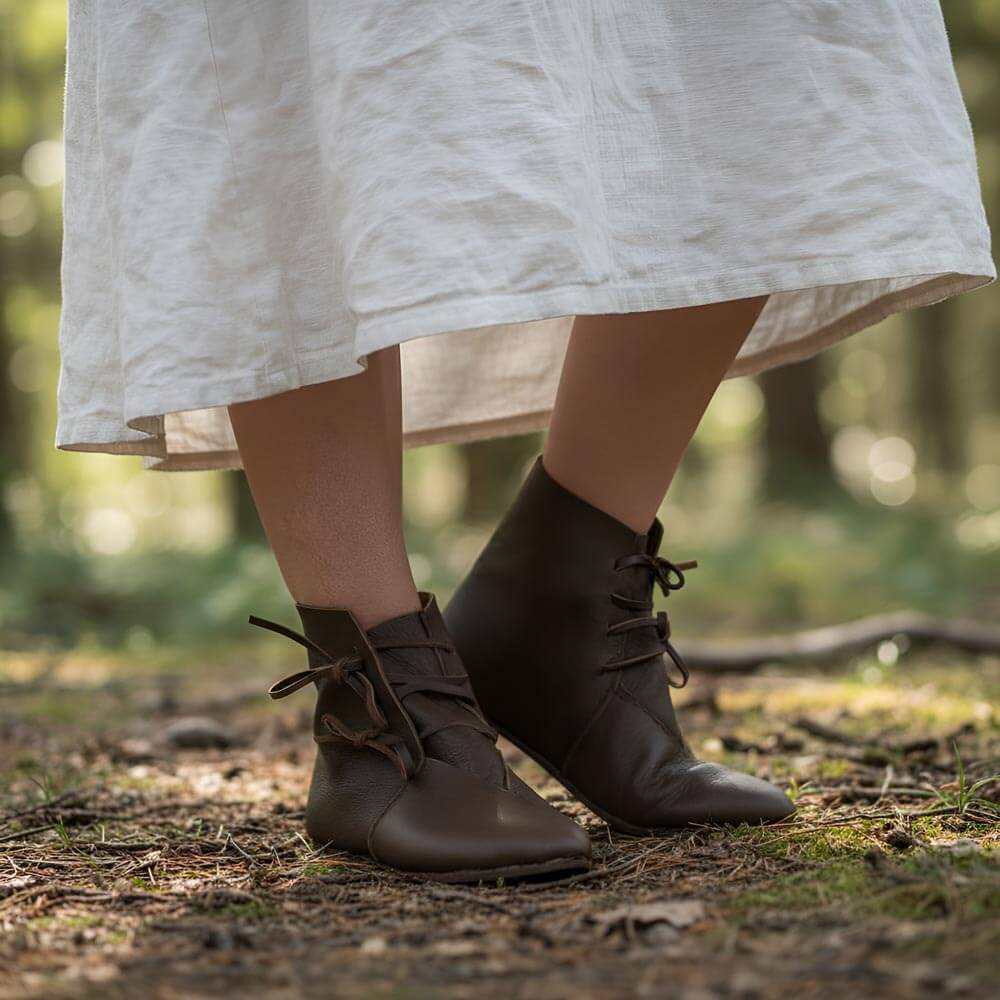
Footwear matters more for outdoor characters than courtly ones. Soft leather boots work for LARP combat and faire walking. Harder soled boots handle rough terrain better. Consider what surfaces you'll encounter at your events and choose accordingly. Boots are an investment but good ones last for years.
Caring for Outdoor Gear
Outdoor events mean dirt and mud happen regularly. Our ranger clothing handles field conditions then cleans up easily. Machine wash cold for most pieces. Air dry to preserve fit and color. Natural fibers maintain their shape and strength through repeated washing.
Leather items need spot cleaning rather than full washing. Wipe off mud and dirt with a damp cloth. Let leather dry naturally away from direct heat sources. Heat damages leather and causes cracking. Patience during drying pays off in longevity.
Store everything clean and completely dry. Natural fibers attract mildew in damp conditions. Make sure garments are bone dry before putting them away. Consider adding cedar blocks or lavender sachets to storage containers. Natural moth repellent that smells pleasant and keeps your wardrobe safe between events.
Outdoor wear develops character over time. Fabric softens with washing. Leather darkens and develops patina. Small repairs become part of the garment's story. A patched tunic or worn belt tells other players your character has lived an active outdoor life. Embrace the wear as part of your character development.