

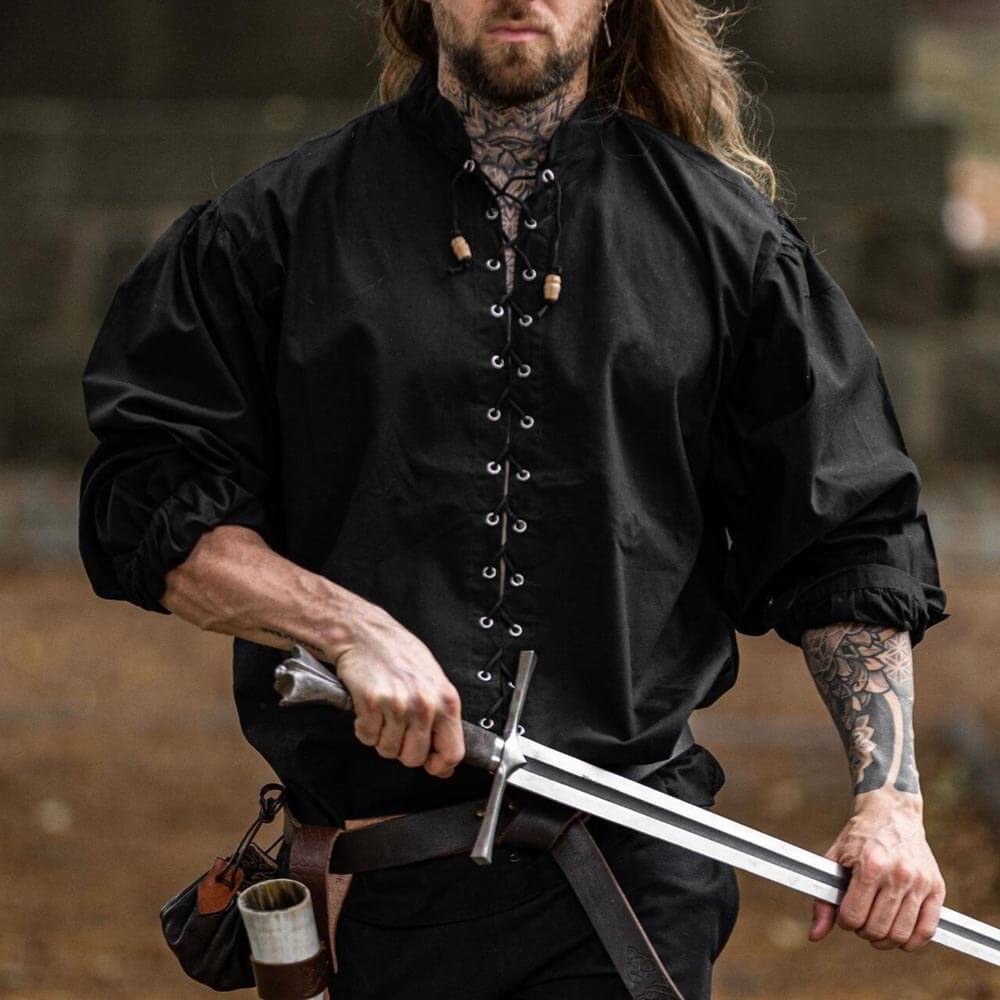
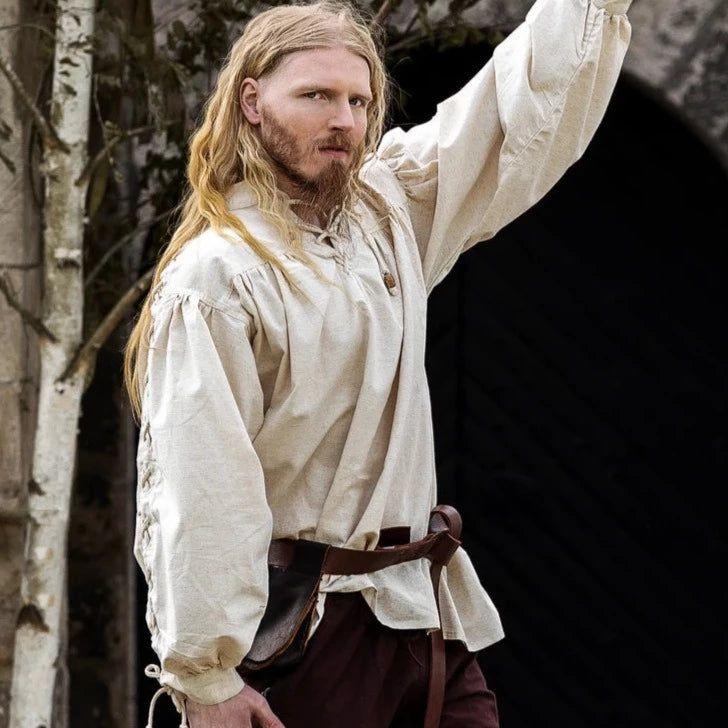
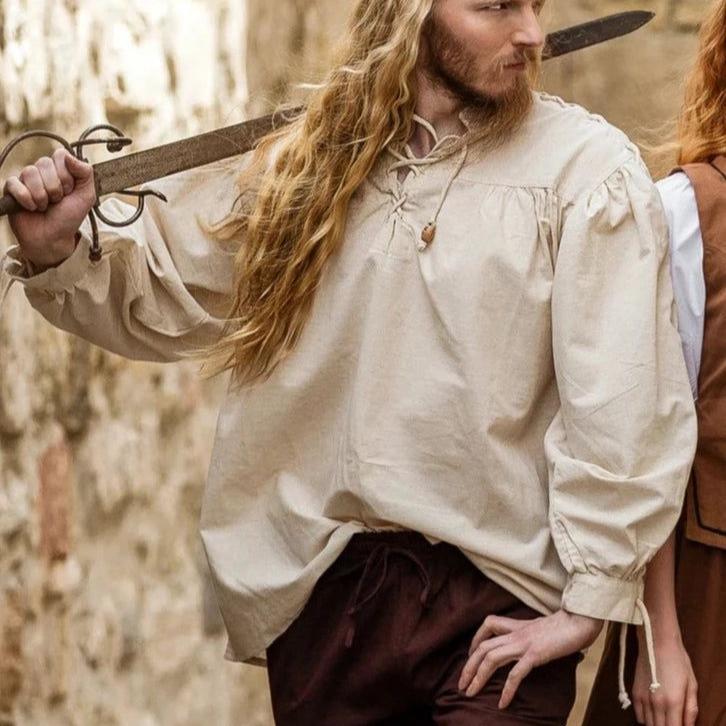
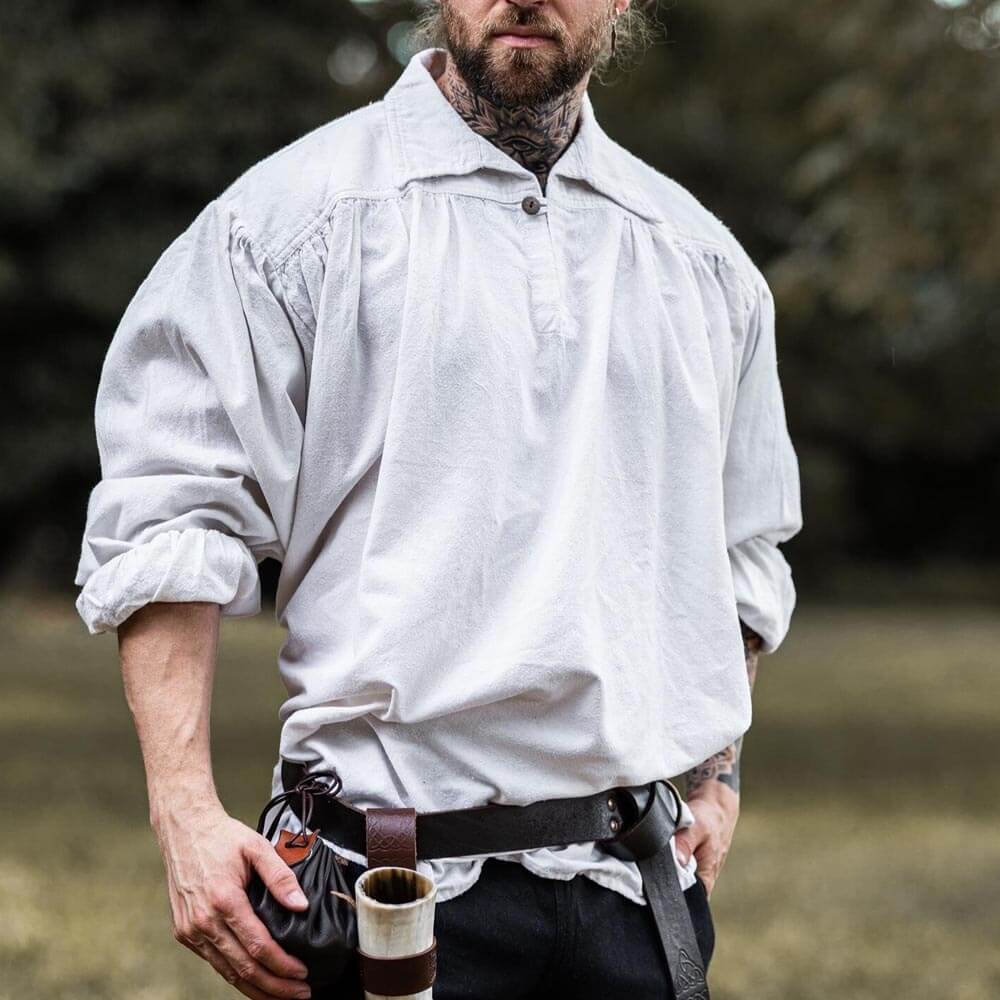
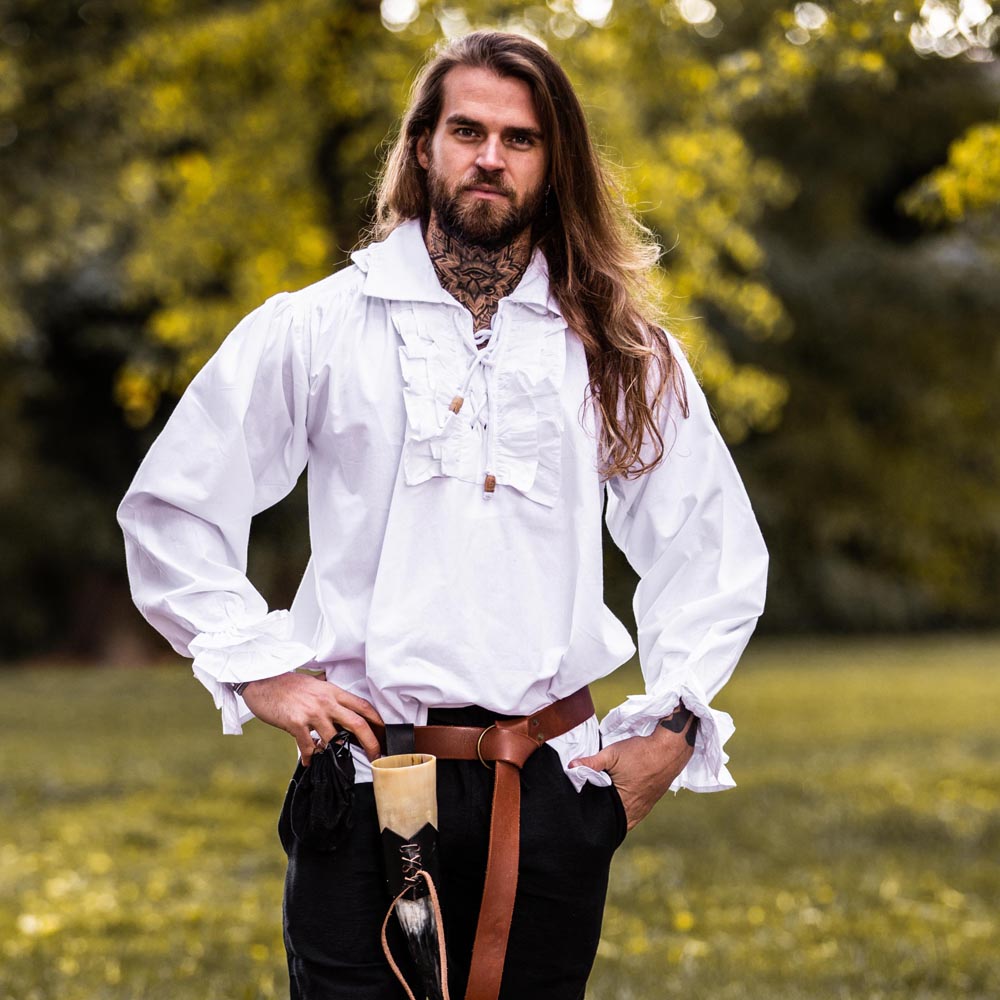
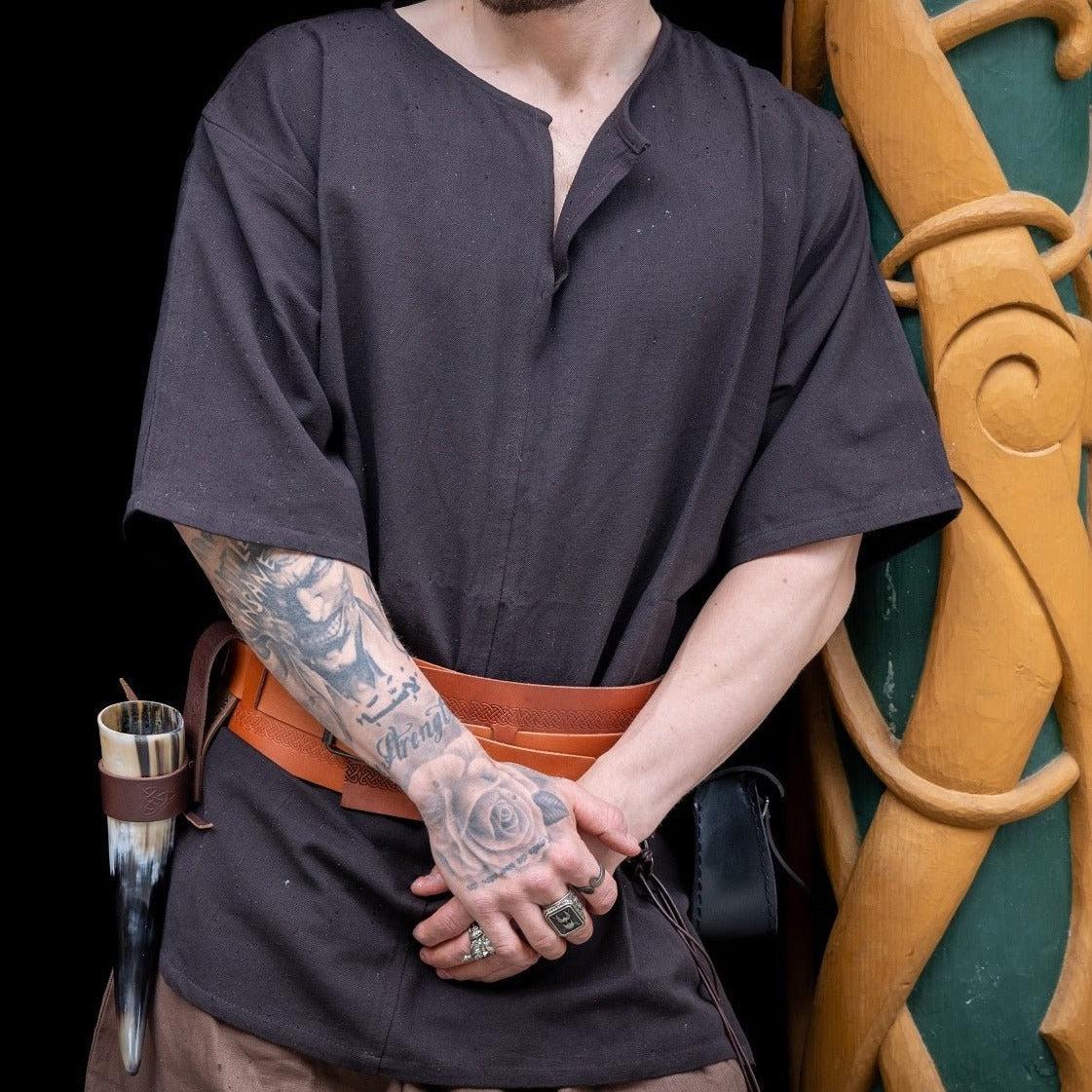
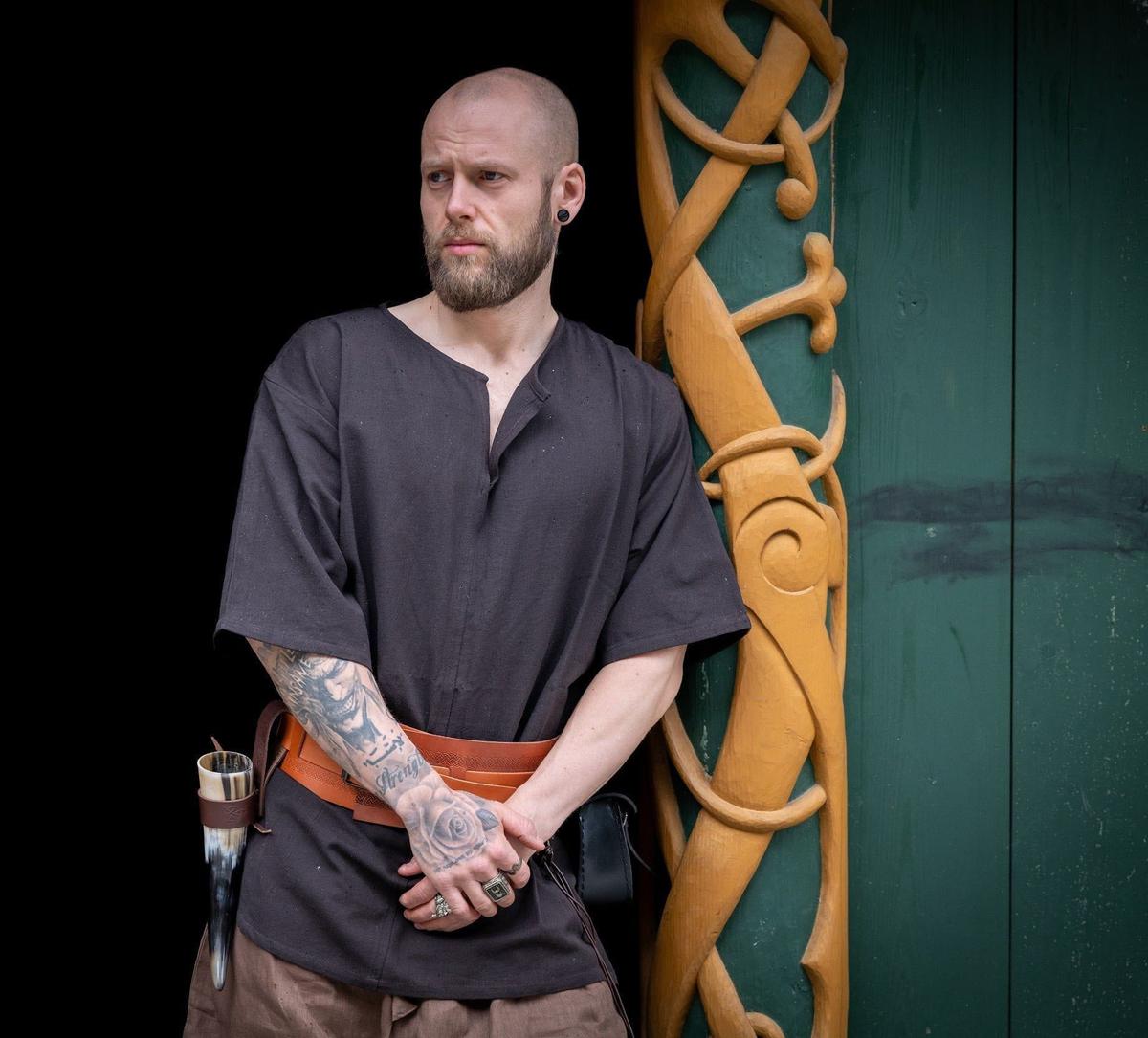
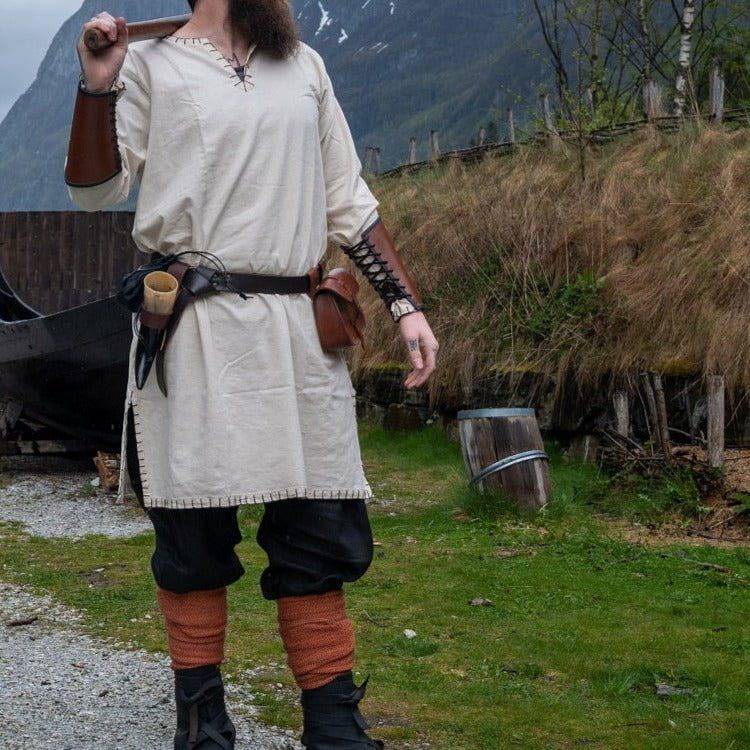
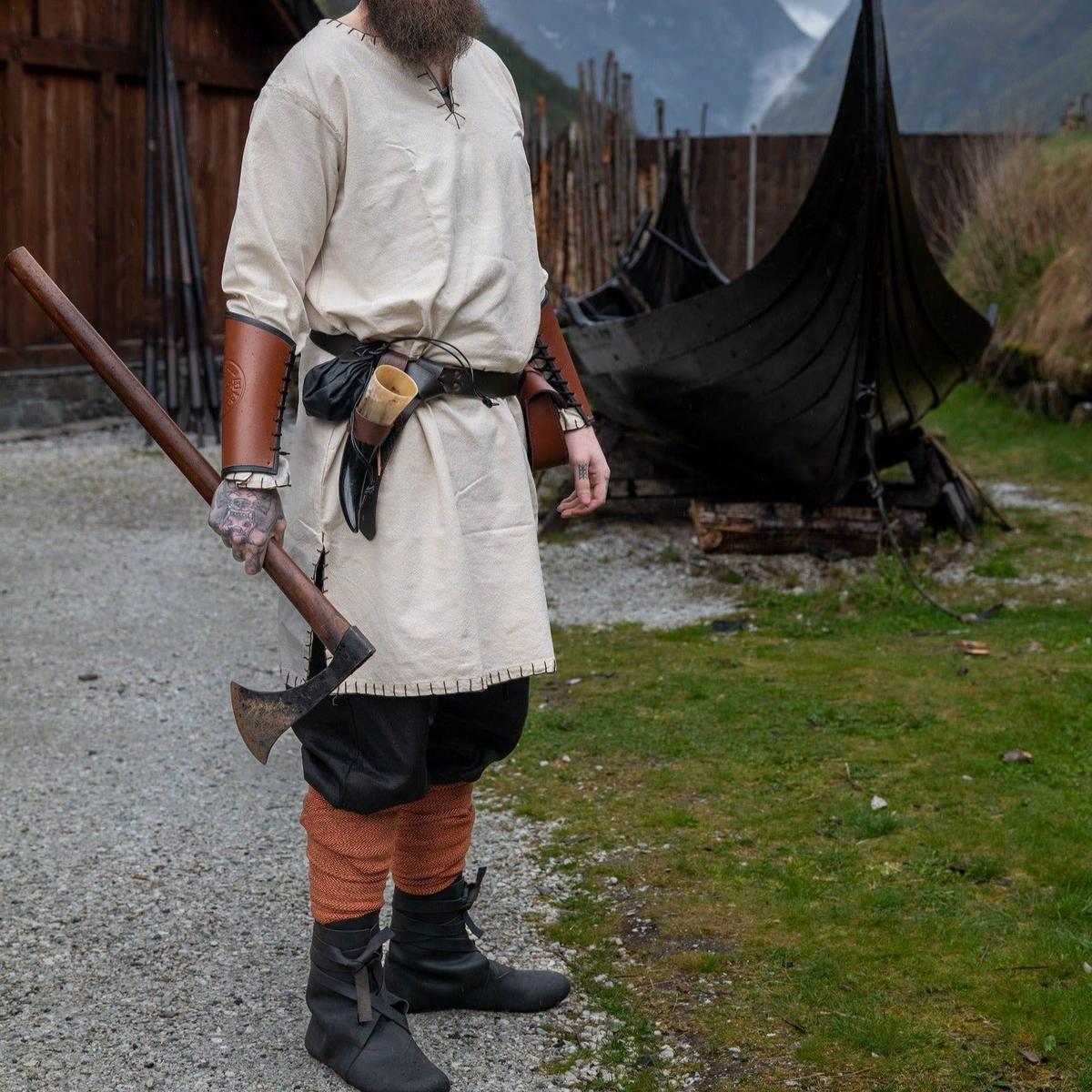
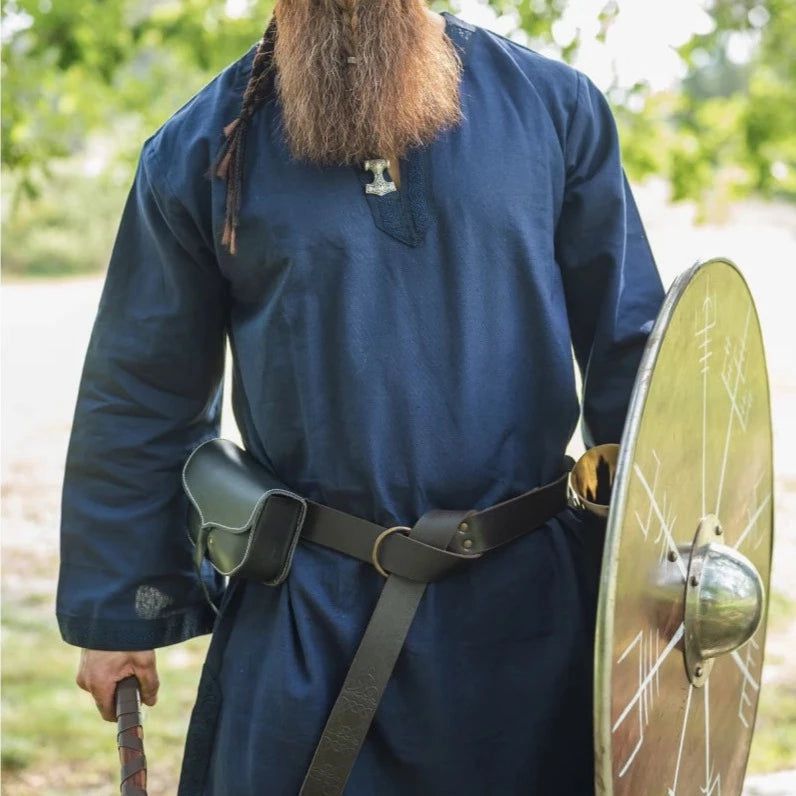
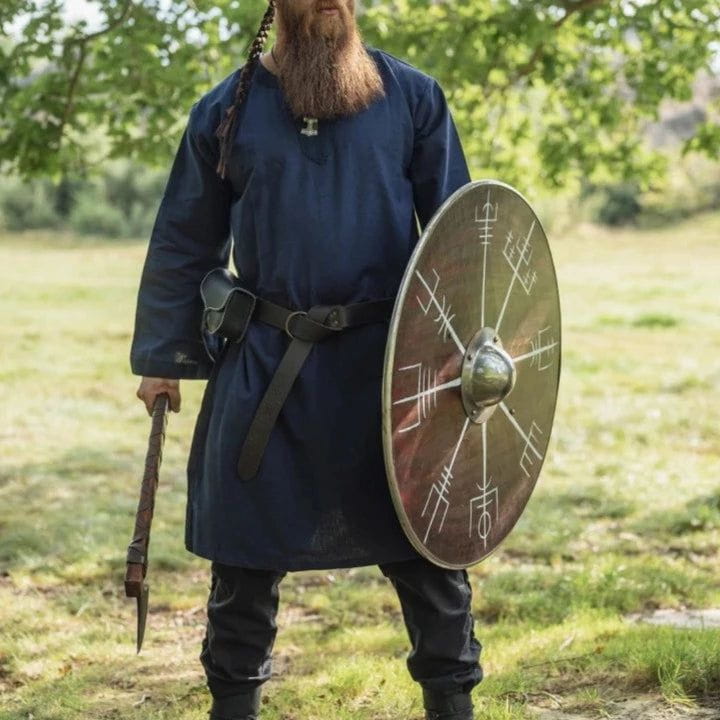
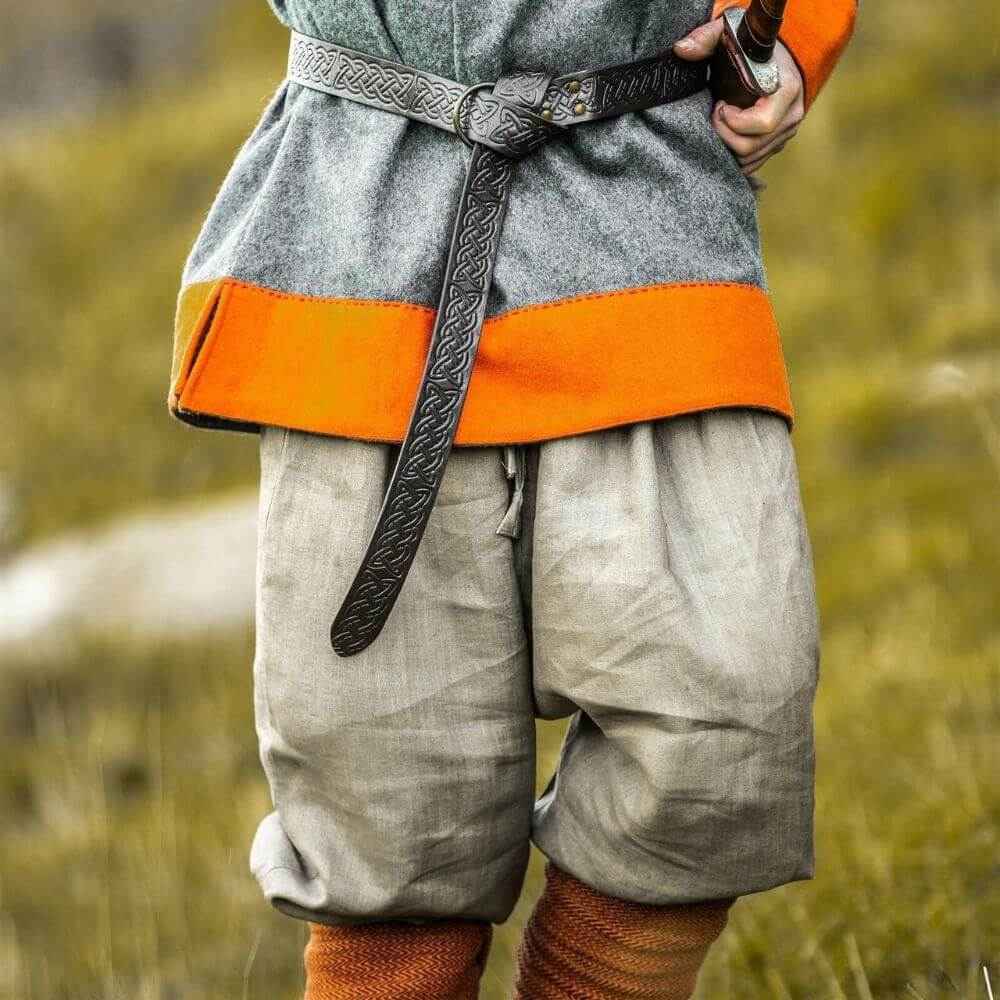
Capturing Fae Aesthetics
Fairy clothing needs to feel both real and magical at the same time. Our fae collection uses quality fabrics that flow and move beautifully. The colors come straight from nature. Dawn pink. Misty lavender. New-leaf green. Think about what you see in the natural world at sunrise or in a wildflower meadow. That's where these colors live.
Medieval people had a completely different view of fairies than we do today. They saw them as dangerous and unpredictable, beautiful but threatening. Our collection honors both interpretations. Delicate enough for modern fairy festivals and substantial enough that it feels historically grounded.
Pastel dyes actually existed in medieval times. Light pink came from diluted madder root. Soft yellow from weld flowers. Pale green from mixing different plant dyes. These colors weren't common because they required more dye material for less intense results, which made them expensive and special.
Flowing Fabrics and Ethereal Silhouettes
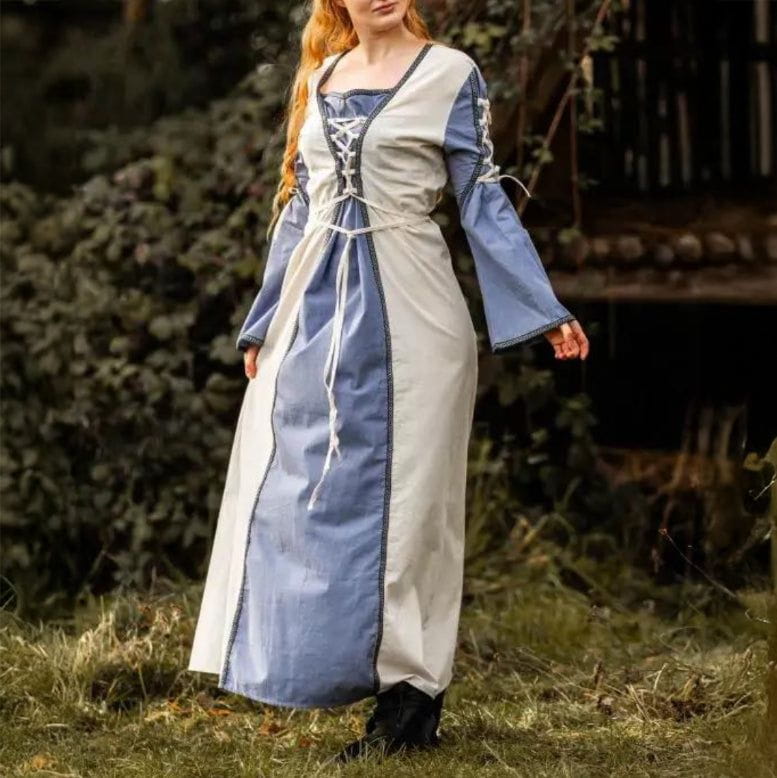
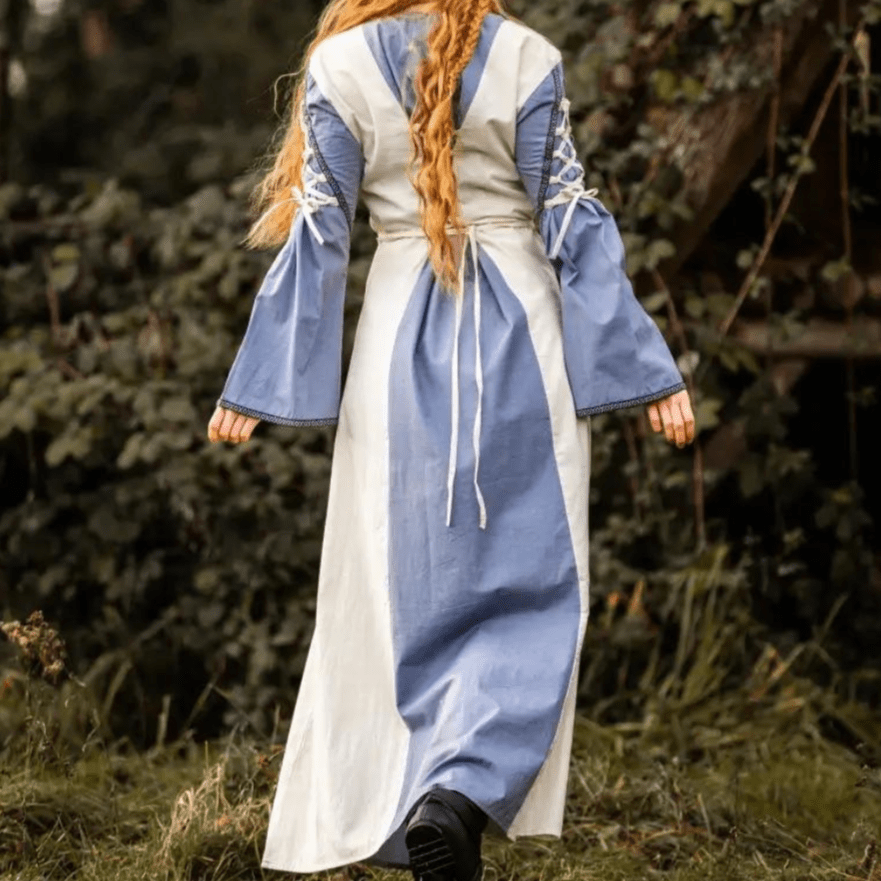
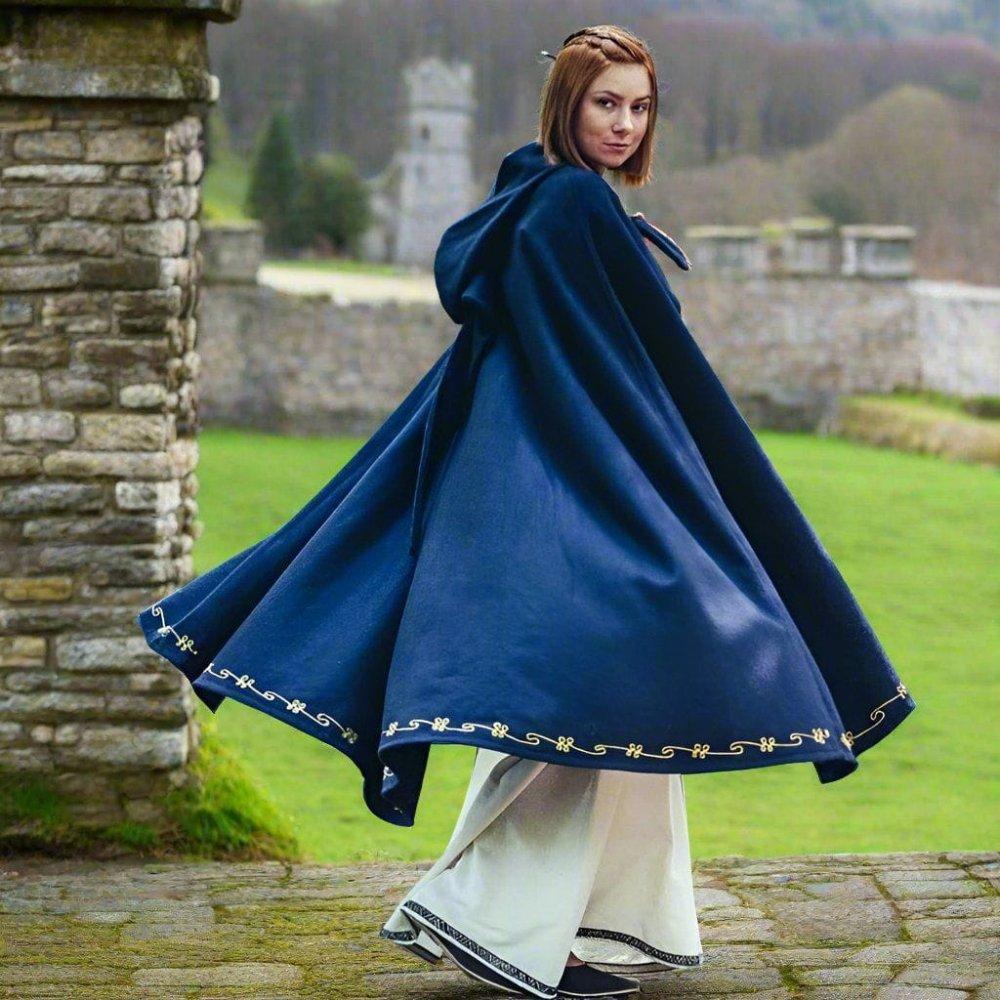
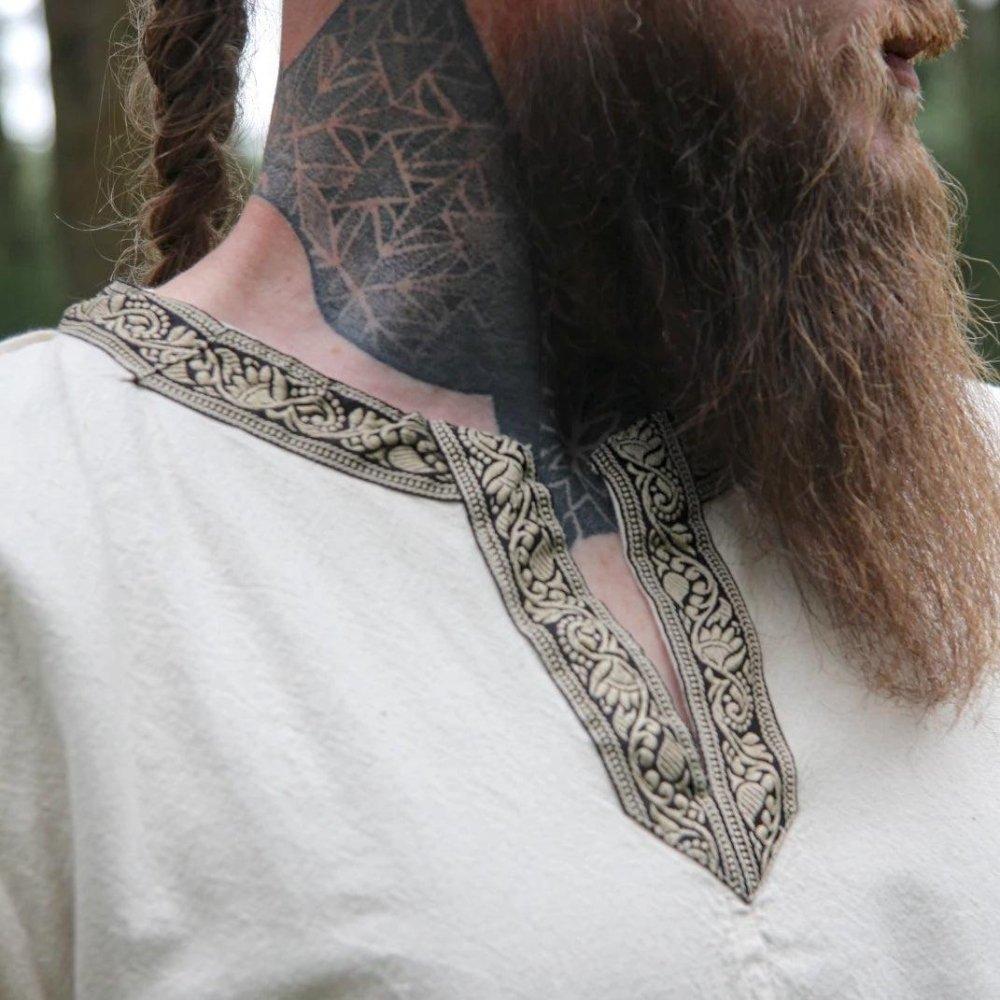
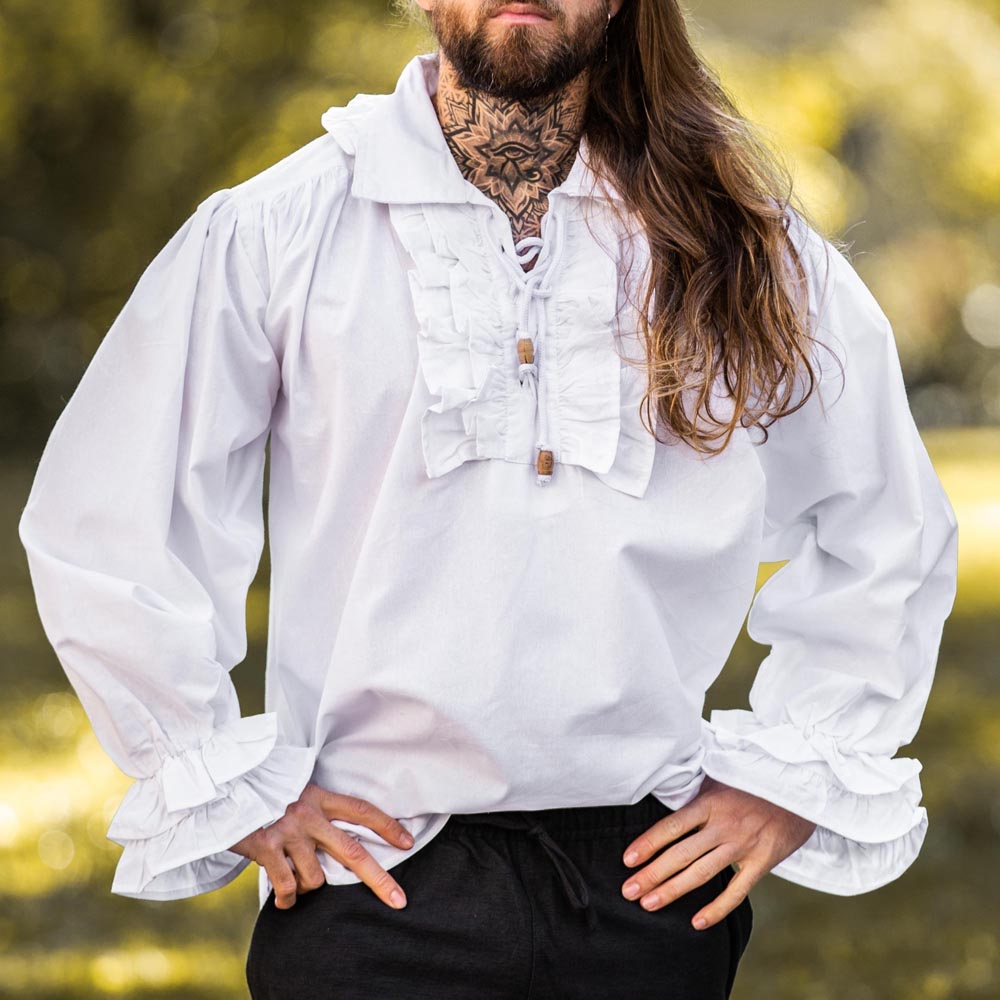
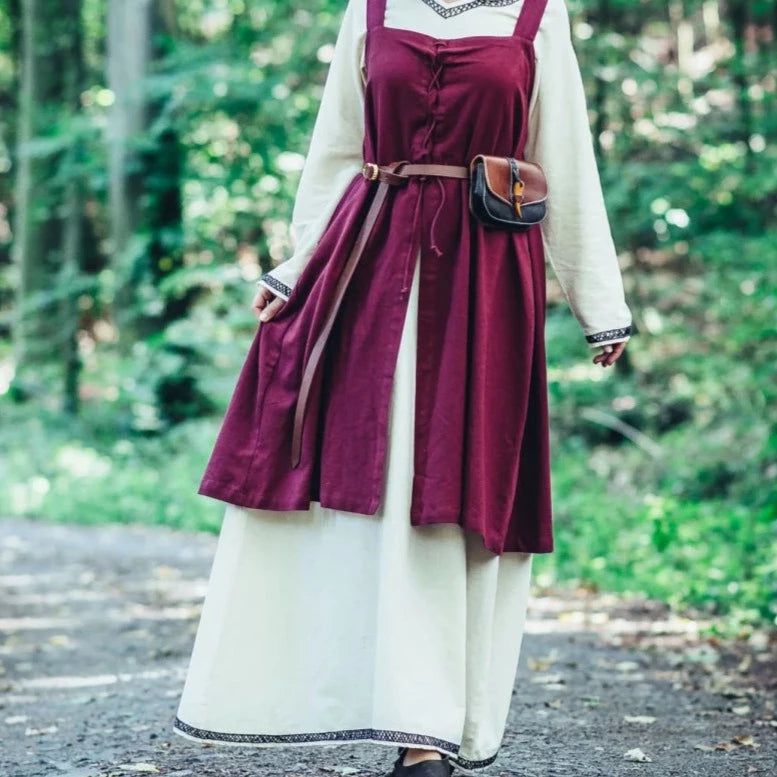
The fae collection focuses on movement and flow. Bell sleeves catch the breeze when you gesture. Flowing skirts create motion with every step. Full length dresses give you that otherworldly presence. These aren't rigid, structured garments. They move with you and enhance every motion you make.
Lightweight natural fabrics make this possible. Cotton and linen drape beautifully without adding weight. The garments feel comfortable even during long festival days or multi-day LARP events. You can dance, perform rituals, or just wander through the woods, and the clothing moves naturally with your body.
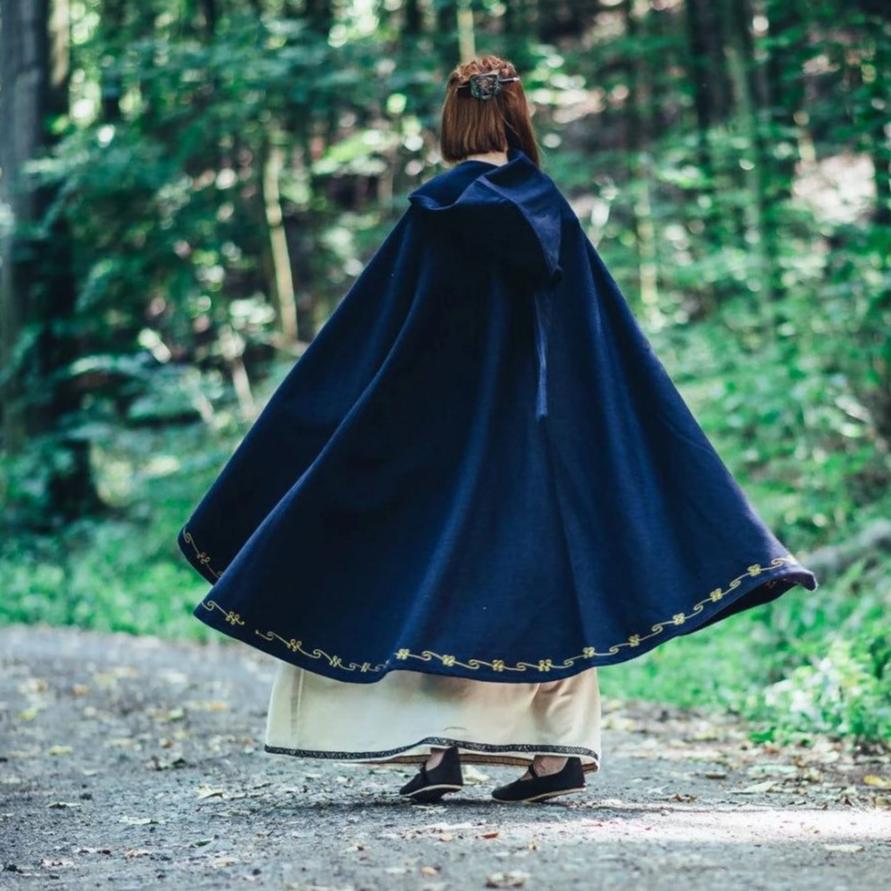
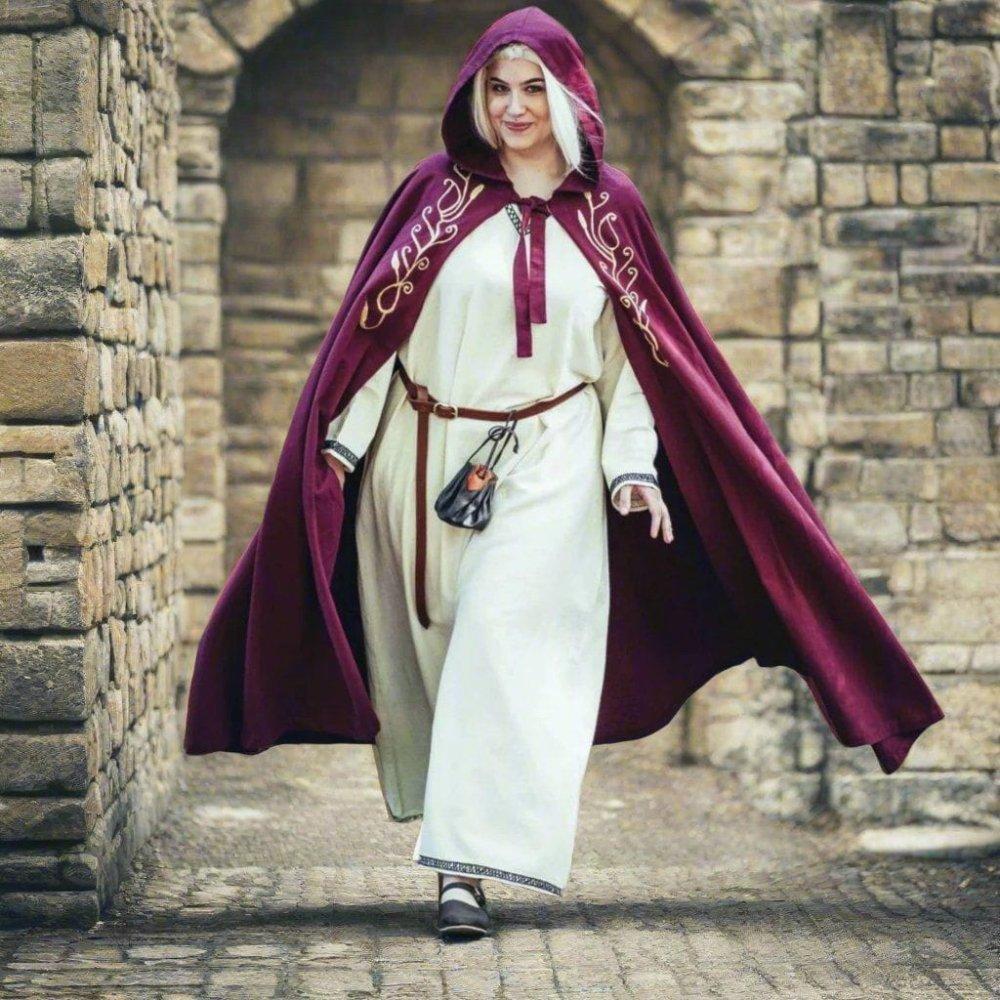
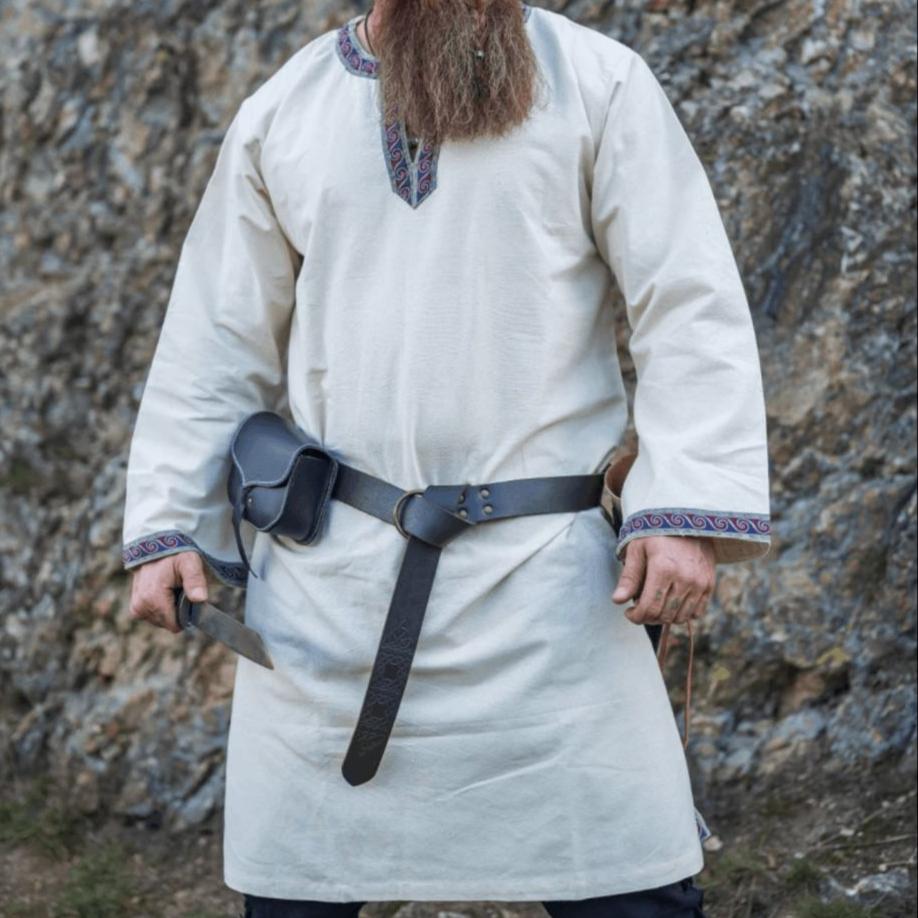
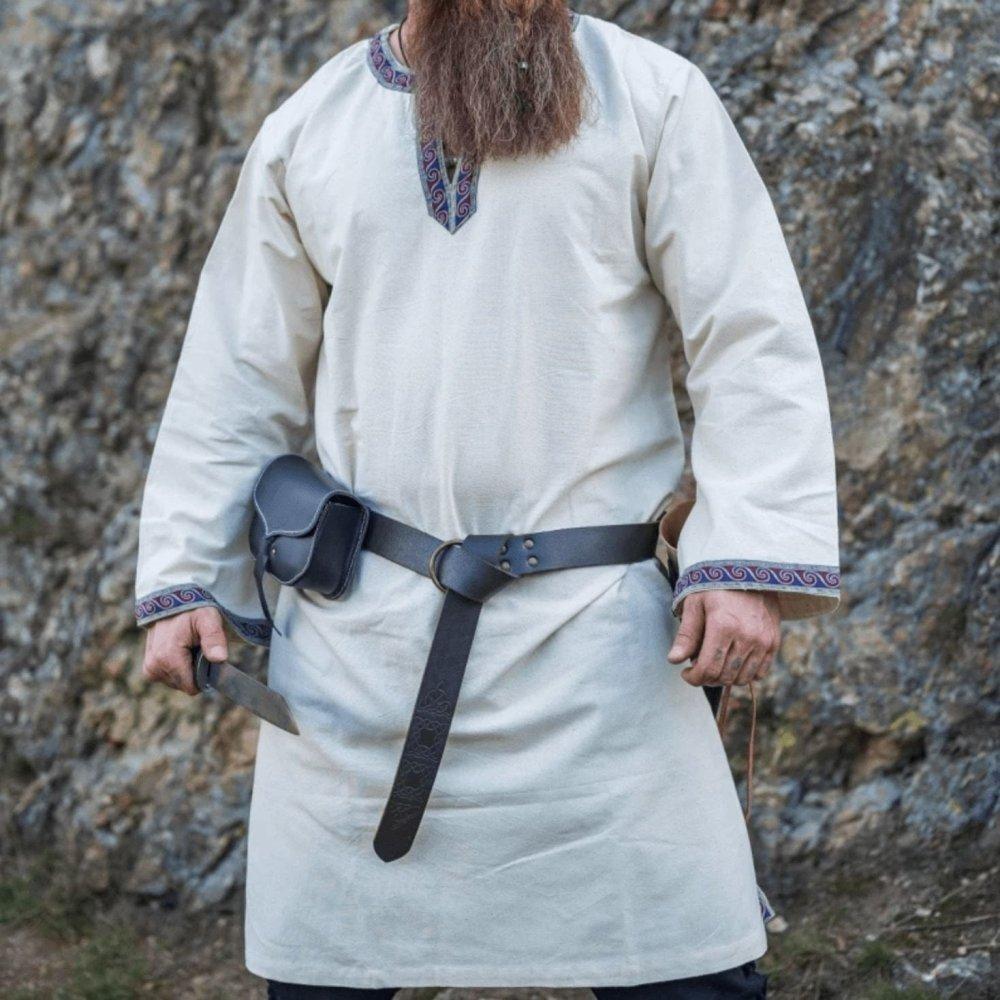
Layering works beautifully in this collection. Start with a simple chemise or underdress. Add a flowing overdress or tunic. Throw on a lightweight cloak when evening temperatures drop. Each piece complements the others while maintaining that ethereal fairy aesthetic.
Nature Inspired Details
Nature inspired jewelry pulls the whole look together. Leaf pendants, flower earrings, vine wrapped rings. These accessories connect your fae aesthetic to the natural world. Medieval people decorated themselves with natural materials too. Woven grass, carved wood, polished stones. There's historical precedent for this stuff.
Think about seasonal variations when you're building your character. Spring fae wear new growth greens and flower pinks. Summer fae go brighter with their colors. Autumn fae pull from harvest golds and russet browns. Winter fae lean into silver and ice blue tones. Your character's seasonal connection determines your color palette.
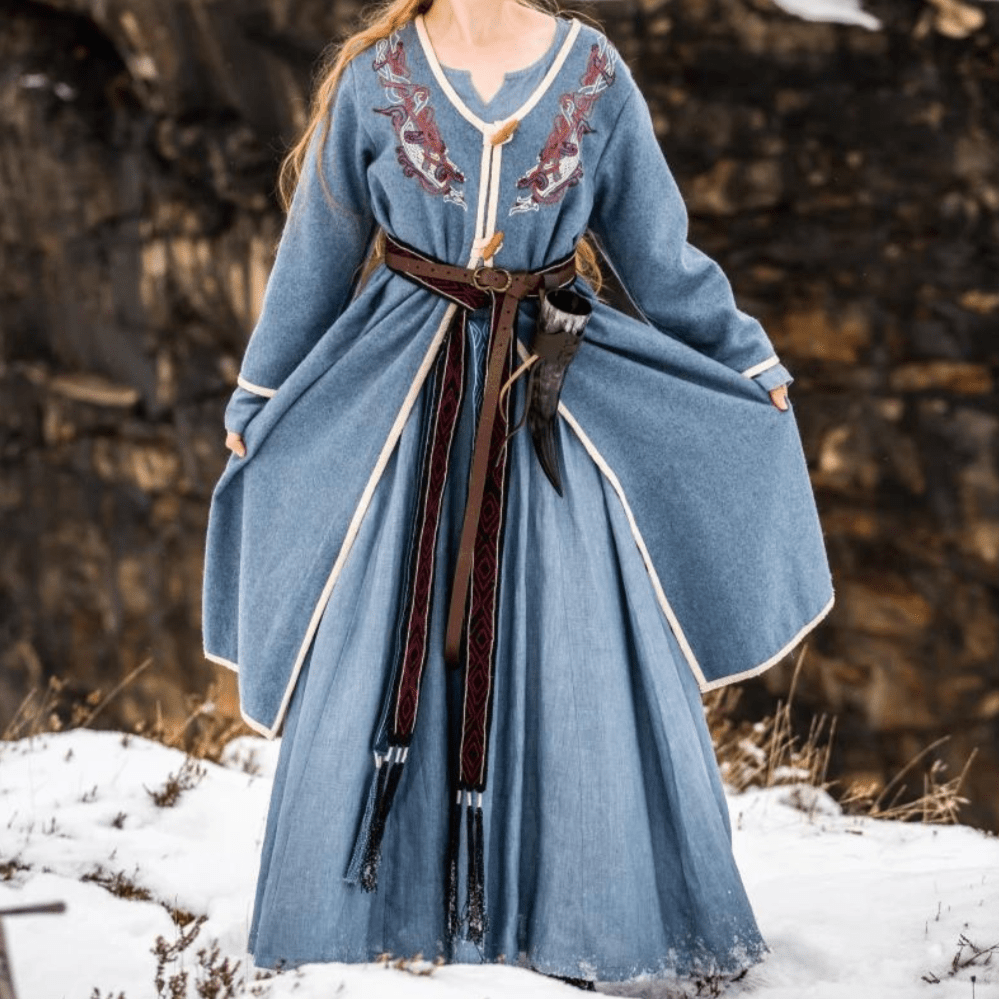
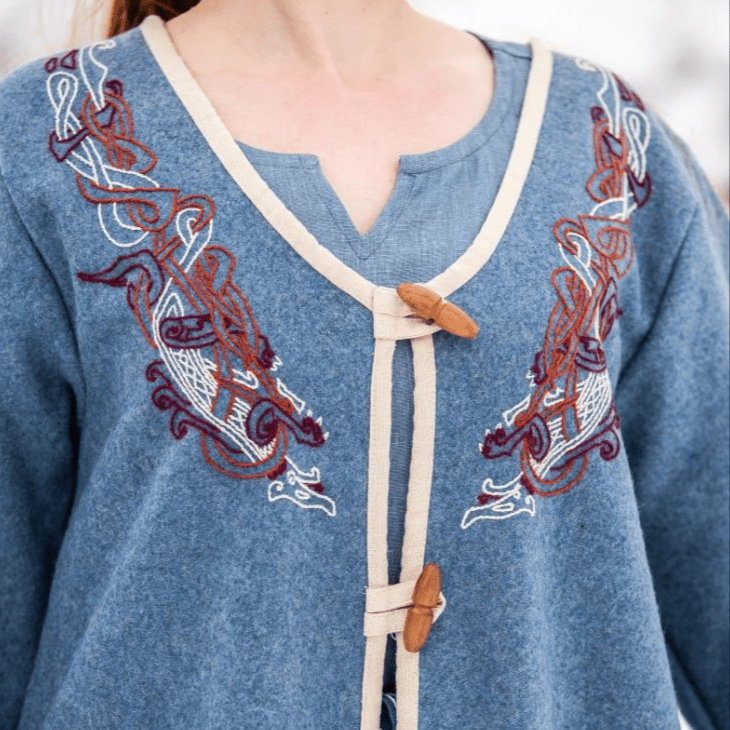
Embroidered details add another layer of magic. Delicate vine patterns along hems. Small flowers scattered across bodices. Leaf motifs on sleeves. These touches transform simple garments into something special without overwhelming the overall aesthetic.
Historical Context for Fairy Fashion
Medieval European folklore described fairy clothing as beautiful but sometimes out of date. The fae wore styles from decades or even centuries in the past. This gives you creative freedom. You can mix elements from different historical periods and it makes sense for the character. Combine Renaissance sleeves with medieval skirts. Layer Gothic elements over earlier designs. It all works.
Fairy tales were specific about clothing details and what they meant. Green marked forest fae. White signaled water spirits. Silver and grey connected to moon related beings. Red showed up in dangerous fairy stories. Black appeared in Gothic interpretations. Color carried real meaning in folklore, not just decoration.
Fabric quality told you about a fairy's status. Fine fabrics meant high ranking fae. Coarse fabrics indicated lower status or that the fairy was in disguise. Our collection offers different quality levels so you can match whatever station your character holds.
Celtic and Germanic traditions influenced fairy folklore heavily. The Aos Sí of Irish mythology wore green and lived in burial mounds. Germanic elves appeared in fine clothing that shimmered. Scandinavian huldra wore beautiful dresses that hid their true nature. These cultural traditions all feed into modern fairy aesthetics.
From Children's Stories to Grown Up Interpretation
The Victorian era turned fairies into cute little innocent things. Tiny, harmless, sweet. But earlier traditions knew better. Fairies stole children and led travelers astray. They granted wishes that came with terrible prices. They weren't safe. We design for the full range of fairy interpretation, not just the sanitized Victorian version.
Modern fairy festivals let adults play with whimsy. You want clothing that feels magical and looks sophisticated. Quality construction. Flattering cuts. Colors that work beautifully on adult skin tones. Professional aesthetic that commands respect.
LARP fae characters run the gamut from trickster to warrior. Your clothing brings versatility. A base dress works for fae courts. Add armor pieces for combat scenarios. Swap accessories to shift your mood or role. Everything in this collection mixes and matches.
Renaissance faires welcome fairy characters too. The whimsical aesthetic fits perfectly alongside traditional Renaissance garb. You're not bound by strict historical accuracy when playing a fae character, which gives you room to experiment with colors, styles, and accessories that might not work for other roles.
Building Your Fae Character Through Clothing
Start with your character's court affiliation if you're playing in a structured LARP world. Seelie court fae typically wear lighter colors and embrace beauty and joy. Unseelie court fae lean toward darker colors and more Gothic elements. Your clothing immediately signals which court you belong to.
Consider your fae character's role in their society. Court nobles wear finer fabrics and more elaborate details. Woodland sprites keep things simple and practical. Trickster fae might mix and match wildly different styles to create visual chaos. Your clothing tells other players who you are before you speak a word.
Personal touches make your character unique. Add your own embroidery. Customize with specific jewelry pieces. Dye edges of garments to create ombré effects. Layer in unexpected color combinations. The fae don't follow rules, so neither should you.
Taking Care of Pastel Fabrics
Wash your pastels separately. Always use cold water. Color catcher sheets provide extra protection. These light colors can pick up dye from other garments easily, so keeping them isolated during washing protects your investment.
Air drying keeps fabrics soft and colors vibrant. Low heat in the dryer works when you're short on time. High heat can fade pastels faster than darker colors, so being gentle with temperature preserves the dreamy quality of these shades.
Store these pieces away from direct sunlight. Use garment bags for long term storage. Silica gel packets help in humid climates. Proper storage between events means your fae wardrobe stays beautiful season after season.
Iron on low heat with a pressing cloth between the iron and your fabric. Test on a hidden spot first for best results. Natural fibers respond well to steam, so a handheld steamer works beautifully for removing wrinkles without direct heat contact.